




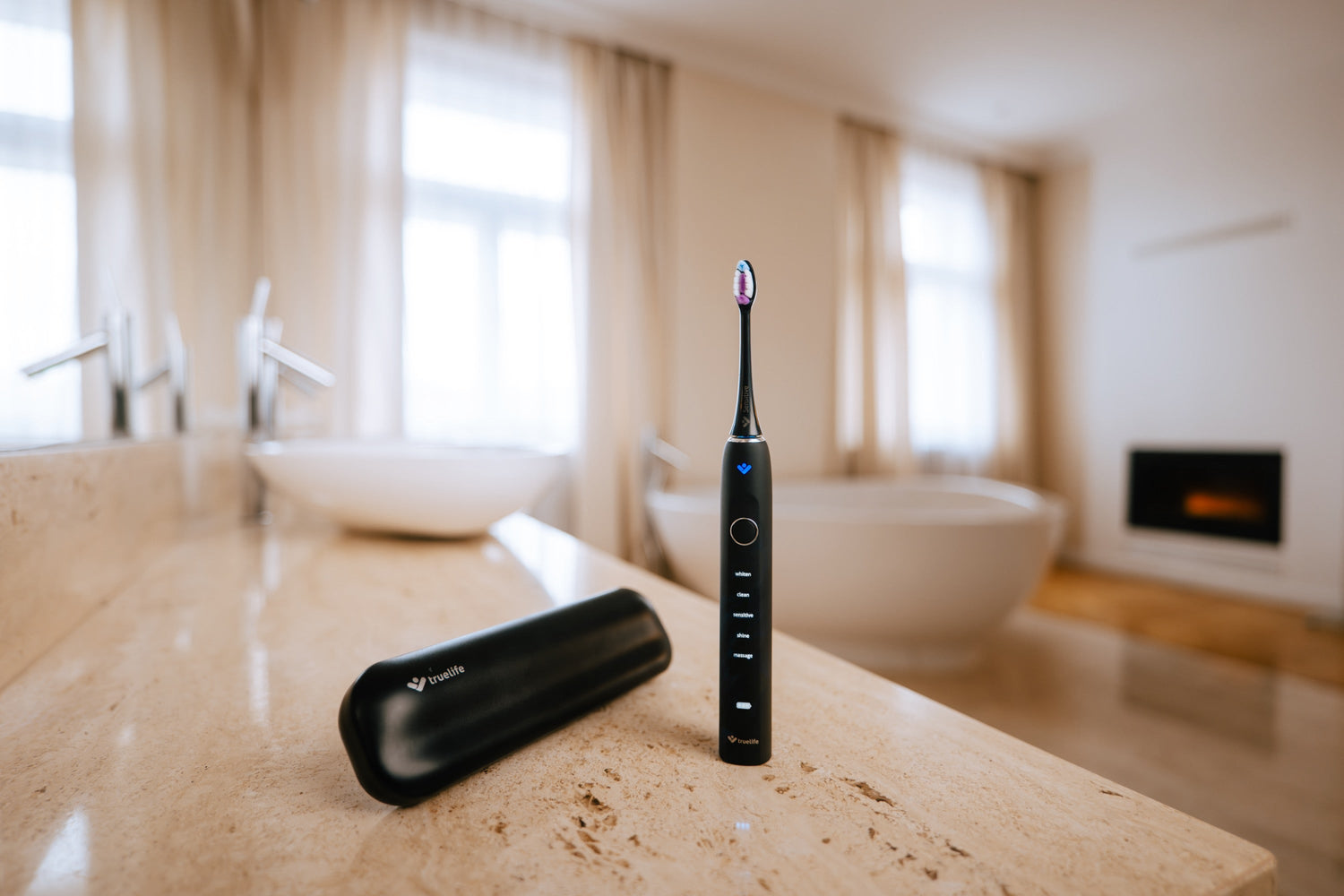
Sie benutzen Ihre elektrische Zahnbürste treu, morgens und abends. Aber wann haben Sie zuletzt den Bürstenkopf gewechselt? Denn ein Bürstenkopf hört auf, gründlich zu reinigen, lange bevor Sie es ihm ansehen können. Es genügt, dass die Borsten ihre Form und Spannkraft verlieren, mit der sie hergestellt wurden. Wer also dachte, der richtige Moment sei erst gekommen, wenn er wie ein alter Besen aussieht, hat sich geirrt. :)
Wie oft der Kopf gewechselt werden sollte
Die Empfehlung ist einfach: etwa alle drei bis vier Monate. Oder früher, wenn die Borsten sichtbar ausgefranst sind.
Wann müssen Sie ihn früher wechseln? Wenn Sie eine Zahnspange tragen, nutzt sich der Kopf schneller ab, manchmal schon innerhalb eines Monats. Und wenn Sie beim Putzen stärker aufdrücken, verschleißen Sie die Borsten schneller, als Sie erwarten würden. Wie lange ein Bürstenkopf hält, hängt nicht allein vom Kalender ab, sondern auch von der Art, wie Sie putzen.
Warum Sie den Verschleiß nicht mit bloßem Auge erkennen
Genau darum geht es. Mit der Zeit spreizen sich die Borsten allmählich nach außen, verbiegen sich und werden weicher. Sie verlieren die Form, die ihnen hilft, den Zahnfleischrand und die Zwischenräume zu erreichen. Doch die erste Phase dieses Verschleißes ist für das bloße Auge nicht sichtbar. Der Kopf sieht noch gut aus, und dennoch reinigt er bereits schlechter.
Das Ergebnis? Sie richten sich nach dem, was Sie sehen können, und dann ist es bereits zu spät. Bis die Borsten sichtbar ausgefranst sind, haben sie schon wochenlang schlecht gereinigt.
Blaue Indikatorborsten können dabei helfen, und Sie finden sie auch an unseren Köpfen. Sie verblassen allmählich, um Sie daran zu erinnern, dass es Zeit ist. Sie sind nicht perfekt, da sie je nach Druck und Wassertemperatur bei jedem etwas anders verblassen, aber als Richtwert erfüllen sie ihren Zweck gut.

Signale, auf die es sich zu achten lohnt
Neben dem Kalender und den Indikatorborsten lohnt es sich, auf einige kleine Dinge zu achten, die den meisten Menschen nie auffallen:
Betrachten Sie den Kopf von oben. Wenn sich die Borsten über den Umriss des Kopfes hinaus ausbreiten und beginnen, zur Seite hin auszufächern, haben sie ihre Zeit hinter sich.
Achten Sie darauf, wie sich Ihre Zähne anfühlen. Wenn sie nach dem Putzen nicht mehr so glatt sind wie früher, könnte ein abgenutzter Kopf der Grund sein. Viele Menschen bemerken den Unterschied erst, wenn sie einen neuen Kopf aufsetzen und ihn plötzlich spüren.
Achten Sie auf Rückstände. Zahnpasta oder Ablagerungen, die sich am Ansatz der Borsten festsetzen und sich nicht wegspülen lassen, sind ein weiteres Signal.
Warum fast jeder es aufschiebt
Es ist keine Faulheit. Der Wechsel eines Bürstenkopfes ist eine leise, wiederkehrende kleine Pflicht ohne klaren Auslöser. Nichts geht kaputt, nichts tut weh, also schieben wir es hinaus. Vollkommen menschlich.
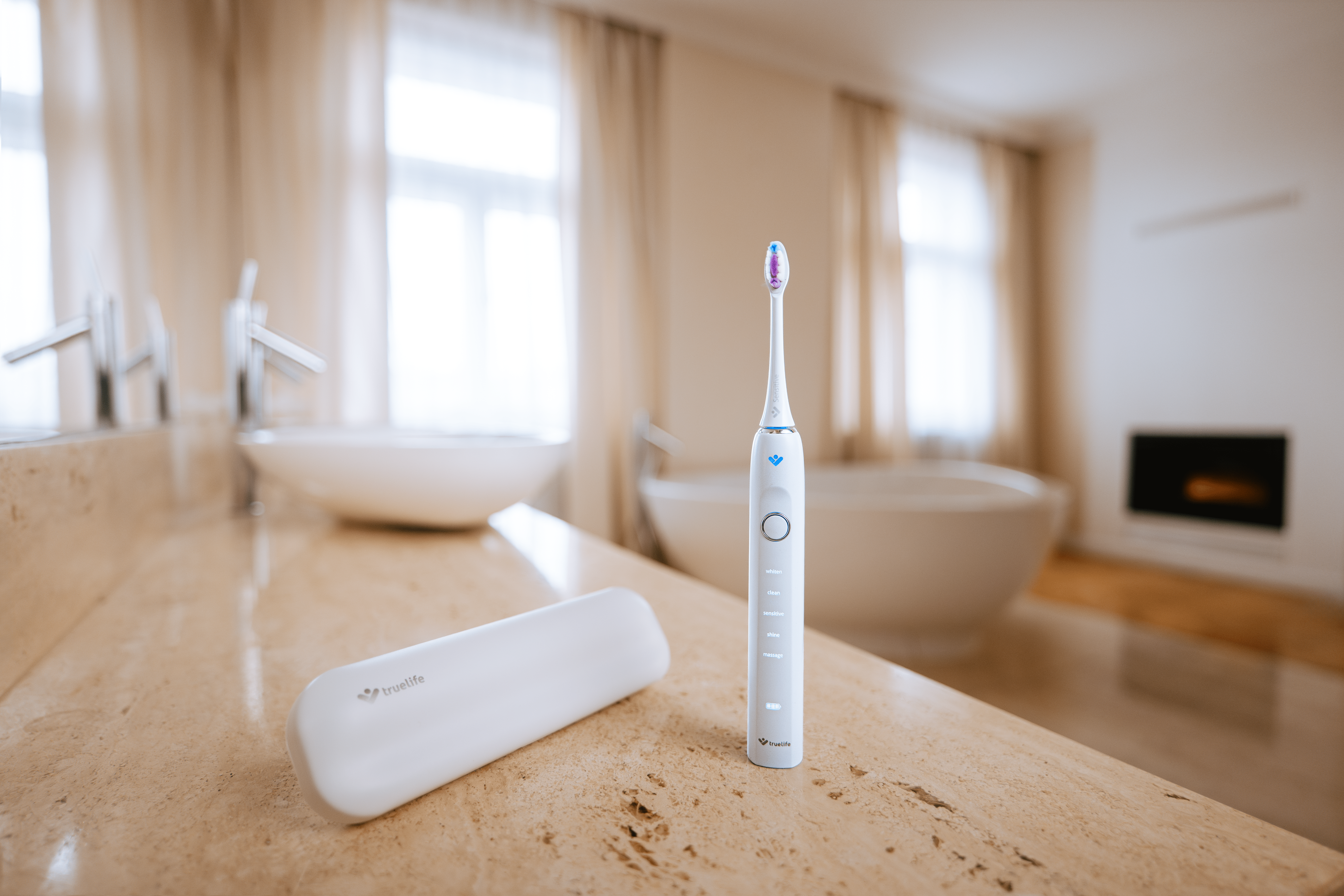
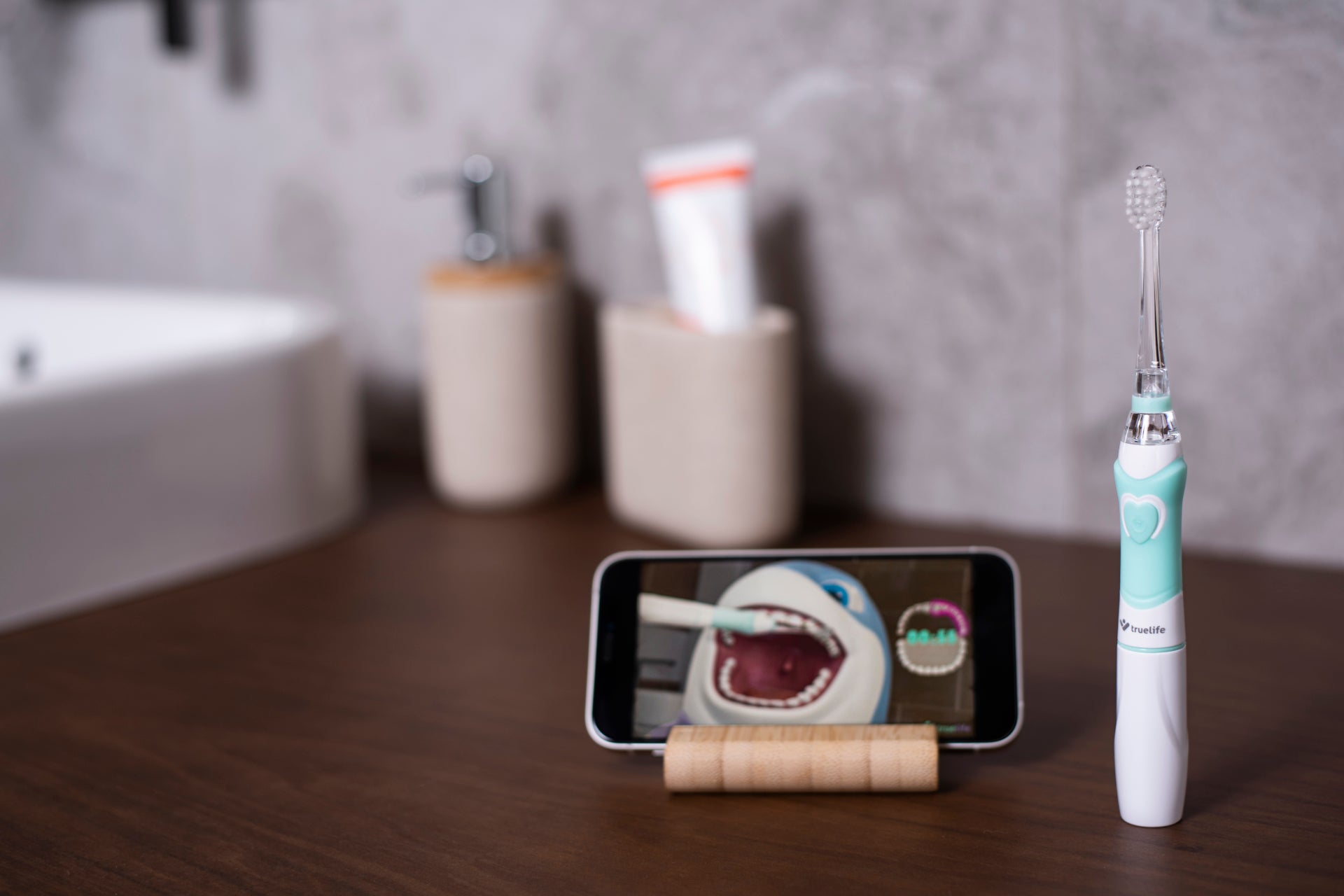
Ein kleiner Trick hilft: Halten Sie ein paar Köpfe zu Hause bereit und knüpfen Sie den Wechsel an etwas, an das Sie sich leicht erinnern. Zum Beispiel der Beginn jeder Jahreszeit. Bei einer Zahnbürste wie der Truelife SonicBrush Compact liegen Ersatzköpfe direkt in der Packung, sodass es nichts abzuwarten gibt. Und Köpfe müssen nicht teuer sein, denn auch günstige Ersatzköpfe erfüllen ihre Aufgabe genauso gut. Bei günstigen No-Name-Köpfen aus Online-Marktplätzen sollten Sie nur darauf achten, dass sie wirklich passen und halten.

Und was verschleißt Köpfe am schnellsten?
Druck. Wenn ein Kopf verdächtig schnell ausfranst, ist das meist kein Defekt, sondern ein Zeichen dafür, dass Sie zu fest aufdrücken. Und starker Druck schadet nicht nur den Borsten, sondern auch Ihrem Zahnfleisch und Ihrem Zahnschmelz. Saubere Zähne verlangen keine Kraft, sondern gute Technik und genug Zeit.
Manche Zahnbürsten helfen Ihnen dabei. Die Truelife SonicBrush Clean70 UV verfügt über einen SmartPressure-Sensor, der Sie mit einem Farbsignal warnt, wenn Sie zu fest aufdrücken. Ihre Borsten halten länger, und Ihr Zahnfleisch wird es Ihnen danken.

Und was ist mit Bakterien?
Sie haben sicher schon gelesen, dass sich auf einer alten Zahnbürste Bakterien ansammeln. Und das stimmt, sie sind da. Für einen gesunden Menschen sind sie aber nicht der Hauptgrund für einen Wechsel, denn Ihr Körper ist an seine eigenen Mundbakterien gewöhnt. Auf Ihrer Bürste leben sogar harmlose Mikroorganismen, die die unangenehmen in Schach halten.
Der Hauptgrund für den Wechsel des Kopfes ist einfacher: abgenutzte Borsten reinigen schlechter. Verwenden Sie gerne einen UV-Desinfektor für die Bakterien, doch nur frische, unbeschädigte Borsten pflegen Ihren Zahnschmelz wirklich. Sterilisieren macht Verschleiß nicht rückgängig.
Kinder und der Rest der Familie
Bei Kindern gilt dasselbe, nur noch etwas mehr. Kinderköpfe sind kleiner und nutzen sich daher schneller ab, außerdem werden Kinder auch häufiger krank. Behalten Sie sie etwas genauer im Blick. Die Truelife SonicBrush Kid G hat aus genau diesem Grund Köpfe im kindgerechten Format. Und damit der Wechsel nicht an einer einzigen Person im Haushalt hängen bleibt, können Sie ihn gerne gemeinsam im Blick behalten.
Häufig gestellte Fragen
Wie oft sollte der Kopf gewechselt werden?
Wechseln Sie den Kopf etwa alle drei bis vier Monate, oder früher, wenn die Borsten ausgefranst sind. Zahnspangen und starker Druck verkürzen seine Lebensdauer.
Wie erkenne ich früher, dass es Zeit ist?
Der zuverlässigste Check ist der Blick auf die Borsten von oben. Wenn sie sich über den Umriss des Kopfes hinaus ausbreiten oder Ihre Zähne sich nach dem Putzen nicht mehr so glatt anfühlen, ist es Zeit für einen neuen.
Kann ich einen Kopf länger als drei Monate verwenden?
Das können Sie, aber er wird zunehmend schlechter reinigen. Abgenutzte Borsten entfernen weniger Plaque, besonders entlang des Zahnfleisches und zwischen den Zähnen.
Muss ich den Kopf nach einer Krankheit wechseln?
Nach einer gewöhnlichen Erkältung ist das nicht notwendig. Eine erneute Ansteckung durch die eigene Zahnbürste ist unwahrscheinlich. Nach einer schwereren Infektion oder wenn der Kopf ohnehin schon abgenutzt ist, ergibt ein Wechsel Sinn.
Warum verblassen die blauen Borsten?
Blaue Indikatorborsten verblassen mit der Nutzung, um Sie an den Wechsel des Kopfes zu erinnern. Betrachten Sie sie als hilfreichen Richtwert und nicht als präzises Messinstrument.