
















Blut auf der Zahnbürste oder im Waschbecken ist nichts Ungewöhnliches. Viele Menschen erleben das, und die meisten zucken entweder mit den Schultern oder machen sich Sorgen.
Genau hier kommt die häufigste Reaktion ins Spiel. Entweder Sie beginnen, den Bereich zu meiden, weil Sie annehmen, dass er bei Blutungen Ruhe braucht. Oder Sie drücken fester, um sicherzugehen, dass er richtig gereinigt wird. Doch genau darin liegt meist das Problem. Zahnfleischbluten braucht selten mehr Kraft. Es braucht eine andere Art der Pflege. Sanfter, regelmäßiger und mit Fokus auch auf die Zahnzwischenräume.
Warum bluten Zahnfleisch?
Die häufigste Ursache ist eine Zahnfleischentzündung, fachsprachlich Gingivitis genannt. Das ist nichts Beängstigendes. Es bedeutet lediglich, dass das Zahnfleisch durch angesammelten Zahnbelag gereizt wird, einen klebrigen bakteriellen Film, der sich um die Zähne und entlang des Zahnfleischrands bildet.
Gesundes Zahnfleisch sollte beim Putzen nicht bluten, daher ist es besser, das Blut als Signal zu sehen statt als Pech. Es ist die Art Ihres Körpers, Ihnen mitzuteilen, dass das Zahnfleisch gereizt ist.
Manchmal spielen auch andere Faktoren eine Rolle. Rauchen verlangsamt die Heilung des Zahnfleischs, hormonelle Veränderungen können das Zahnfleisch empfindlicher machen, und auch Stress kann dazu beitragen. Seltener kann ein Vitamin-C-Mangel eine Rolle spielen.
Eine kurze Anmerkung zur Schwangerschaft: Zahnfleischbluten tritt in der Schwangerschaft häufiger auf, weil hormonelle Veränderungen das Zahnfleisch empfindlicher gegenüber Plaque machen und die Durchblutung des Gewebes erhöhen. Die grundlegenden Pflegeprinzipien bleiben dabei gleich. Sie müssen lediglich noch sanfter und konsequenter vorgehen.
Die gute Nachricht ist, dass eine Zahnfleischentzündung in diesem Stadium reversibel ist. Wenn Sie Ihre Routine rechtzeitig anpassen, kann sich das Zahnfleisch beruhigen und erholen.

Welchen Fehler macht fast jeder?
Wenn Ihr Zahnfleisch blutet, ist Ihr erster Instinkt vielleicht, den Bereich zu meiden. Doch genau das ist der falsche Ansatz. Wird der Bereich gemieden, bleibt der Zahnbelag dort, wo er das Zahnfleisch am meisten reizt, was die Entzündung verlängern kann.
Das andere Extrem, fester zu drücken, ist genauso wenig hilfreich. Aggressives Schrubben reizt das Zahnfleisch unnötig und entfernt den Zahnbelag nicht wirksamer.
Der richtige Ansatz mag sich etwas gegenintuitiv anfühlen. Reinigen Sie den Bereich weiterhin, aber tun Sie es sanft. Bleiben Sie konsequent und lassen Sie ihn nicht aus. Achten Sie auch darauf, sich nicht nur auf die sichtbaren Flächen zu konzentrieren, da Entzündungen häufig in den Zahnzwischenräumen beginnen.
Es gibt noch etwas, das unnötige Sorgen bereiten kann. Wenn Sie eine gründlichere Mundpflegeroutine einführen, insbesondere die Reinigung der Zahnzwischenräume, kann Ihr Zahnfleisch in den ersten ein bis drei Wochen weiterhin bluten. In den ersten Tagen kann das Bluten sogar etwas schlimmer erscheinen, bevor es sich zu bessern beginnt.
Das bedeutet nicht zwangsläufig, dass Sie etwas falsch machen. Es kann ein normaler Teil des Heilungsprozesses sein. Sanfte, regelmäßige Pflege ist wichtig. Geben Sie nicht nach drei Tagen auf.
Wie wählen Sie Sanftheit statt Kraft?
Beginnen Sie mit den Grundlagen. Eine weiche Zahnbürste und sanfte kreisende Bewegungen bewirken für empfindliches Zahnfleisch weitaus mehr als eine harte Zahnbürste und kräftiges Hin- und Herschrubben.
Die Borsten sollten zum Zahnfleischrand zeigen und kleine Bewegungen ausführen. Starkes Schrubben belastet das Zahnfleisch nur unnötig.
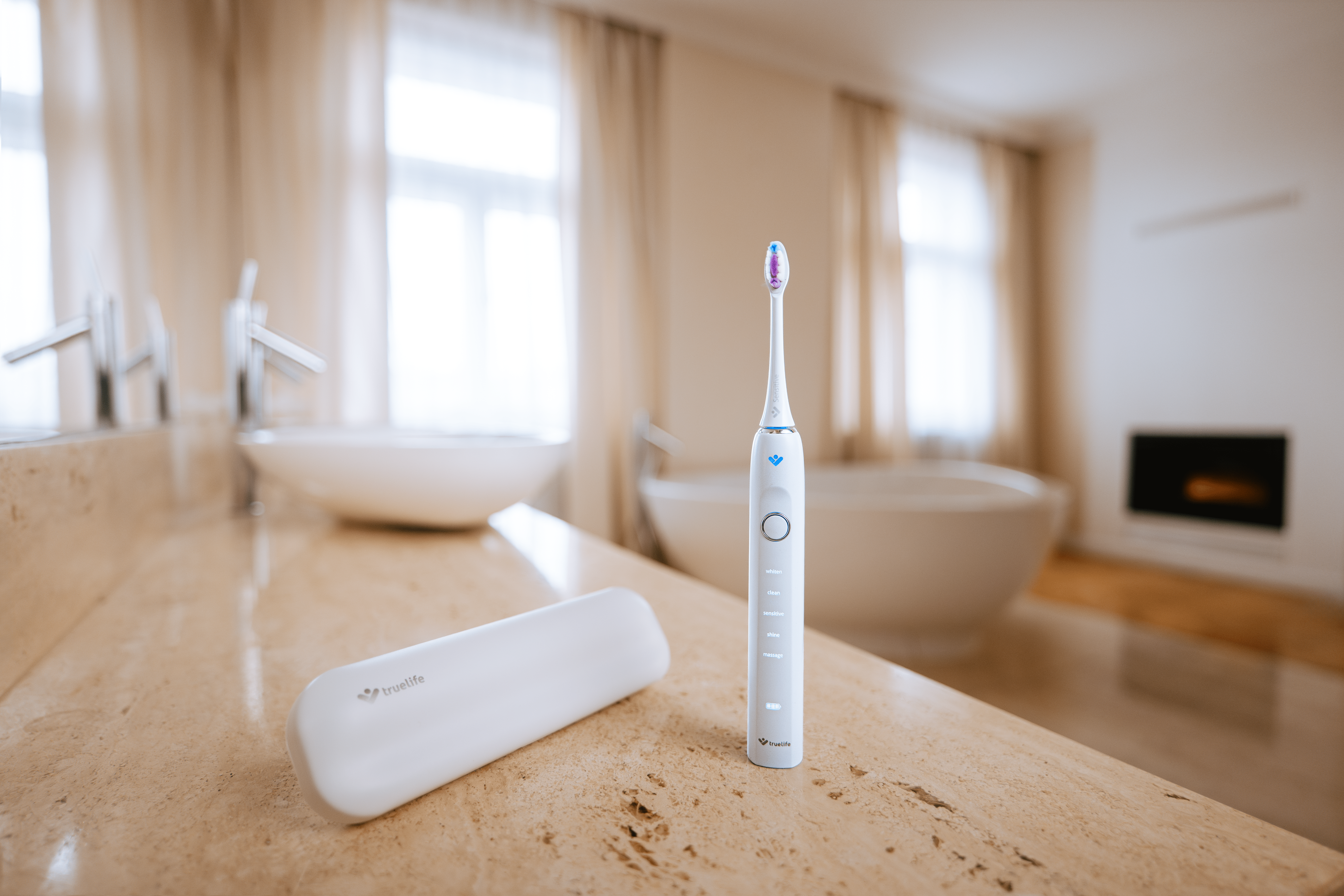
Eine Schallzahnbürste kann helfen, wenn Sie das Gefühl haben, fester zu drücken, als Sie sollten. Hier kommt die Truelife SonicBrush Clean70 UV ins Spiel. Sie verfügt über einen Drucksensor, einen sanften Sensitive-Bürstenkopf und einen speziellen Sensitive-Modus für empfindliches Zahnfleisch. Wenn Sie Ihrem Zahnfleisch eine zusätzliche sanfte Stimulation geben möchten, können Sie auch den Massage-Modus verwenden.
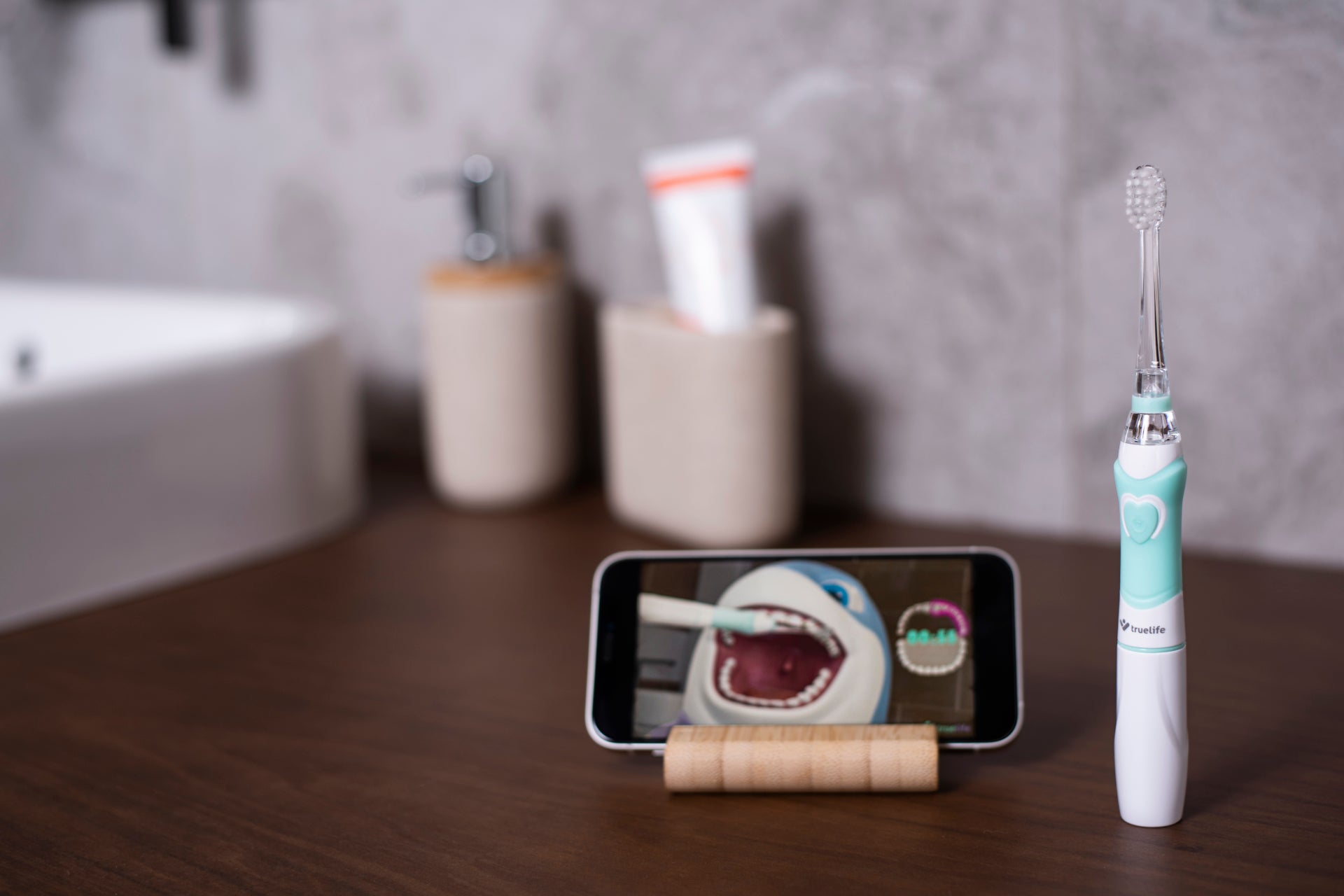
Für eine einfachere Option, etwa auf Reisen, ist die Truelife SonicBrush Compact eine praktische Wahl. Auch sie bietet Sensitive- und Massage-Modi und eignet sich daher, wenn Ihr Zahnfleisch eine sanftere Behandlung braucht, als es beim kräftigen manuellen Putzen erhält.

Warum ist eine Zahnbürste nur die halbe Miete?
Das ist der Bereich, den die meisten Menschen am häufigsten vergessen: die Zahnzwischenräume.
Eine gewöhnliche Zahnbürste kann diese Bereiche nicht richtig erreichen, dabei sammelt sich genau dort der Zahnbelag am liebsten an. Werden die Zahnzwischenräume nicht gereinigt, hat gereiztes Zahnfleisch kaum eine Chance, sich zu beruhigen.
Was sollten Sie also zu Hause verwenden? Zahnseide ist besonders nützlich für enge Zwischenräume, erfordert aber eine sanfte Technik. Drücken Sie sie gewaltsam ins Zahnfleisch, kann das noch mehr Reizungen verursachen.
Eine Interdentalbürste ist oft die erste Wahl, wenn sie bequem zwischen die Zähne passt. Laut einer Auswertung der verfügbaren Studienlage kann sie gegen Zahnfleischentzündungen etwas wirksamer sein als Zahnseide.
Dann gibt es noch die Munddusche, die die Zahnzwischenräume mit einem sanften Wasserstrahl reinigt. Das kann sich auf gereiztem Gewebe angenehmer anfühlen. Studienauswertungen deuten darauf hin, dass sie zur Reduzierung von Zahnfleischentzündungen ähnlich wirksam sein kann wie Zahnseide, dabei aber sanfter zu geschwollenem Gewebe ist. Wenn Zahnseide bei Ihnen einfach nicht funktioniert, kann eine Munddusche eine sinnvolle Alternative sein.
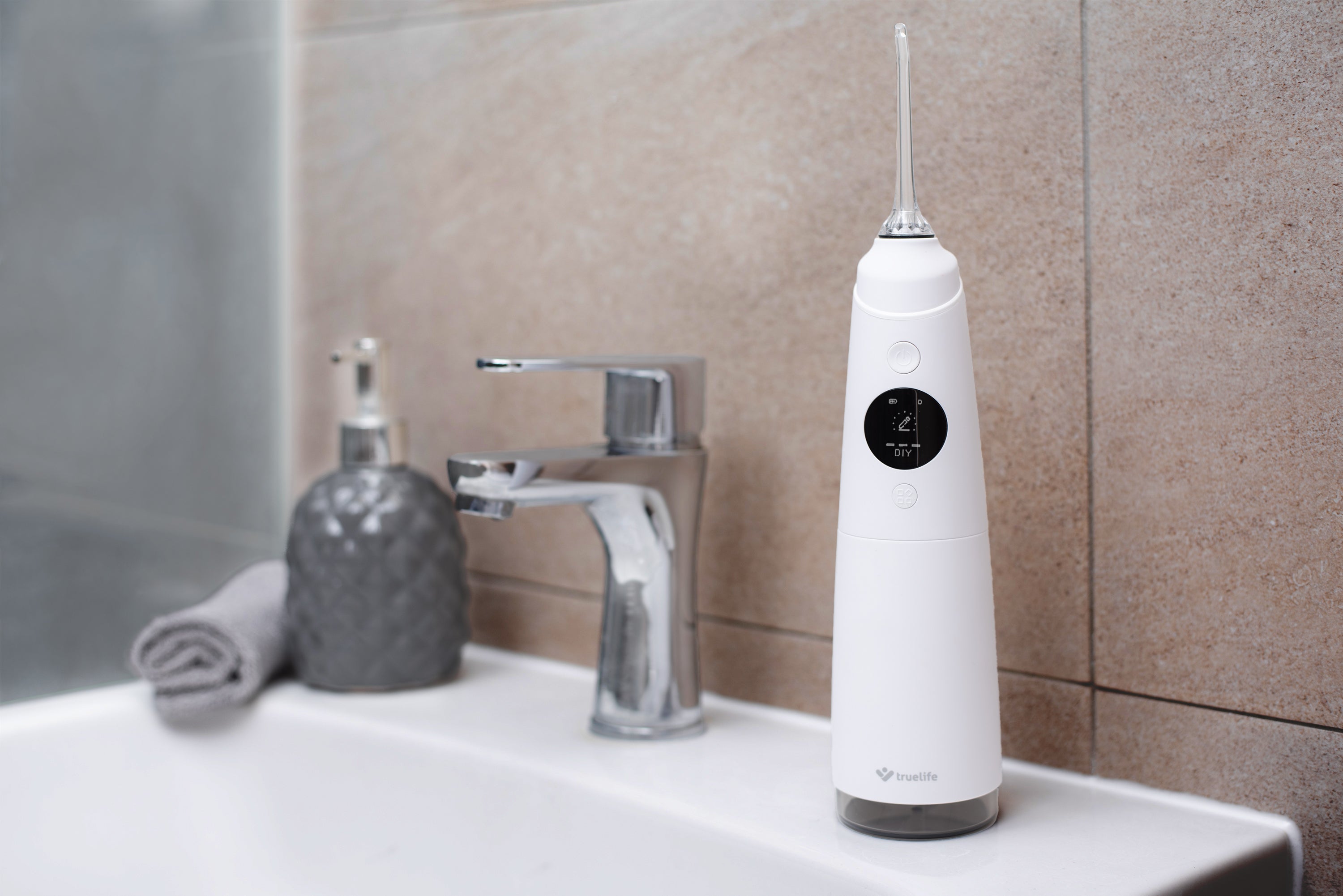
Hier kommt die Truelife AquaFloss Compact L100 ins Spiel. Sie reinigt die Zahnzwischenräume mit einem sanften Wasserstrahl, während der Pulse-Modus das Zahnfleisch sanft massiert und stimuliert.
Das kann sie auch während der Schwangerschaft zu einer angenehmen Option machen, wenn das Zahnfleisch empfindlicher als gewöhnlich sein kann.

Wie können Sie Ihrem Zahnfleisch einen kleinen Neustart gönnen?
Probieren Sie einen ruhigen zweiwöchigen Neustart aus und beobachten Sie, wie Ihr Zahnfleisch reagiert.
1. Putzen Sie zweimal täglich zwei Minuten lang. Konsequenz macht einen größeren Unterschied als eine einzelne, übermäßig intensive Reinigung.
2. Verwenden Sie eine weiche Zahnbürste oder einen sanften Bürstenkopf. Ihr Zahnfleisch reagiert in der Regel besser auf ruhige, sorgfältige Reinigung als auf übermäßige Kraft.
3. Reinigen Sie täglich zwischen den Zähnen. Hier verbirgt sich oft das eigentliche Problem.
4. Achten Sie auf den Druck. Kleine kreisende Bewegungen wirken besser als Hin- und Herschrubben.
5. Reduzieren Sie für ein paar Tage Ihren Zuckerkonsum und trinken Sie reichlich Wasser. Plaque-Bakterien ernähren sich von Zucker, während Wasser hilft, den Mund auf natürliche Weise zu spülen.
6. Ersetzen Sie einen abgenutzten Bürstenkopf. Ausgefranste Borsten reinigen nicht mehr wirksam und können das Zahnfleisch unnötig verletzen.
Bei den meisten Menschen bessert sich das Bluten in diesem Zeitraum deutlich oder verschwindet ganz.
Wann sollten Sie einen Fachmann aufsuchen?
Wenn sich das Bluten nach zwei Wochen sanfter und konsequenter Pflege nicht bessert, immer wiederkehrt oder von Schwellungen, Schmerzen oder unangenehmem Atem begleitet wird, vereinbaren Sie einen Termin bei einer Dentalhygienikerin.
Das ist kein Versagen. Es ist einfach der schnellste Weg herauszufinden, was das Zahnfleisch entzündet hält.
Zahnstein unter dem Zahnfleischrand ist oft die Ursache. Zu Hause können Sie ihn mit Zahnbürste oder Zahnseide nicht entfernen. Sobald sich Plaque zu Zahnstein verhärtet hat, lässt er sich nur noch durch eine professionelle Reinigung entfernen.

Häufig gestellte Fragen
Warum blutet mein Zahnfleisch beim Zähneputzen?
Die häufigste Ursache ist eine durch Plaque verursachte Zahnfleischentzündung. Gesundes Zahnfleisch sollte beim Putzen nicht bluten, daher ist Blut auf der Zahnbürste meist ein Zeichen dafür, dass das Zahnfleisch gereizt oder entzündet ist.
Hormonelle Veränderungen, Rauchen, Stress und, seltener, ein Vitamin-C-Mangel können ebenfalls dazu beitragen.
Sollte ich einen blutenden Bereich nicht mehr reinigen?
Nein. Reinigen Sie den Bereich weiterhin, aber sanfter. Wird er gemieden, kann Zahnbelag in der Nähe des Zahnfleischrands verbleiben und das Problem verlängern.
Eine weiche Zahnbürste, sanfte kreisende Bewegungen und regelmäßige Reinigung der Zahnzwischenräume können helfen.
Wie lange dauert es, bis das Bluten aufhört?
In den meisten Fällen beruhigt sich das Zahnfleisch innerhalb von ein bis drei Wochen, nachdem eine konsequentere Mundpflegeroutine eingeführt wurde.
In den ersten Tagen kann das Bluten sogar etwas ausgeprägter erscheinen. Das kann ein normaler Teil des Heilungsprozesses sein.
Wenn sich das Bluten nach zwei Wochen nicht bessert oder von Schmerzen, Schwellungen oder unangenehmem Atem begleitet wird, ist ein Besuch bei einer Dentalhygienikerin ratsam.
Kann eine Munddusche bei Zahnfleischbluten helfen?
Ja, besonders wenn Sie eine sanftere Methode zur Reinigung der Zahnzwischenräume brauchen.
Studienauswertungen deuten darauf hin, dass eine Munddusche zur Reduzierung von Zahnfleischentzündungen ähnlich wirksam sein kann wie Zahnseide, während sich der sanfte Wasserstrahl auf gereiztem Zahnfleisch angenehmer anfühlen kann.
Sie ist jedoch nicht die einzige Lösung. Ihre Putztechnik und Regelmäßigkeit bleiben ebenso wichtig.
Was sollten Sie daraus mitnehmen?
Zahnfleischbluten braucht in der Regel keine härtere Behandlung. Es braucht sanftere, regelmäßigere Pflege, die auch die Zahnzwischenräume einschließt.
Es erfordert keine große Veränderung. Nur ein paar kleine Anpassungen, mit denen Sie noch heute Abend beginnen können.
Haben Sie auch mit sich selbst Geduld. Ihr Zahnfleisch wird sich nicht über Nacht beruhigen, aber wenn Sie ihm ein paar Tage oder Wochen sanfter, konsequenter Pflege gönnen, wird es Sie in der Regel mit ruhigeren Morgen und einer Zahnbürste ohne Blut belohnen.
Darauf kommt es letztlich an. Die beste Pflege ist nicht die härteste oder komplizierteste. Es ist die Routine, der Sie ruhig, jeden Tag, ohne Stress und mit Respekt für das, was Ihr Körper wirklich braucht, folgen können.