
Prehliadate si internetový obchod a pozeráte sa na dva rôzne tvary hlavíc. Jedna je dlhá, podobná tej na klasickej zubnej kefke. Druhá je malá a okrúhla. Ceny sú takmer rovnaké, popisy plné technológií, a vy stále neviete, ktorú si vybrať.
Čítajte ďalej a o pár minút budete vedieť, v čom sa líšia, a čo je dôležitejšie, čo by malo rozhodnúť.
Tak v čom sa tie dve vlastne líšia?
Rozdiel je v tom, čo robí hlavica.
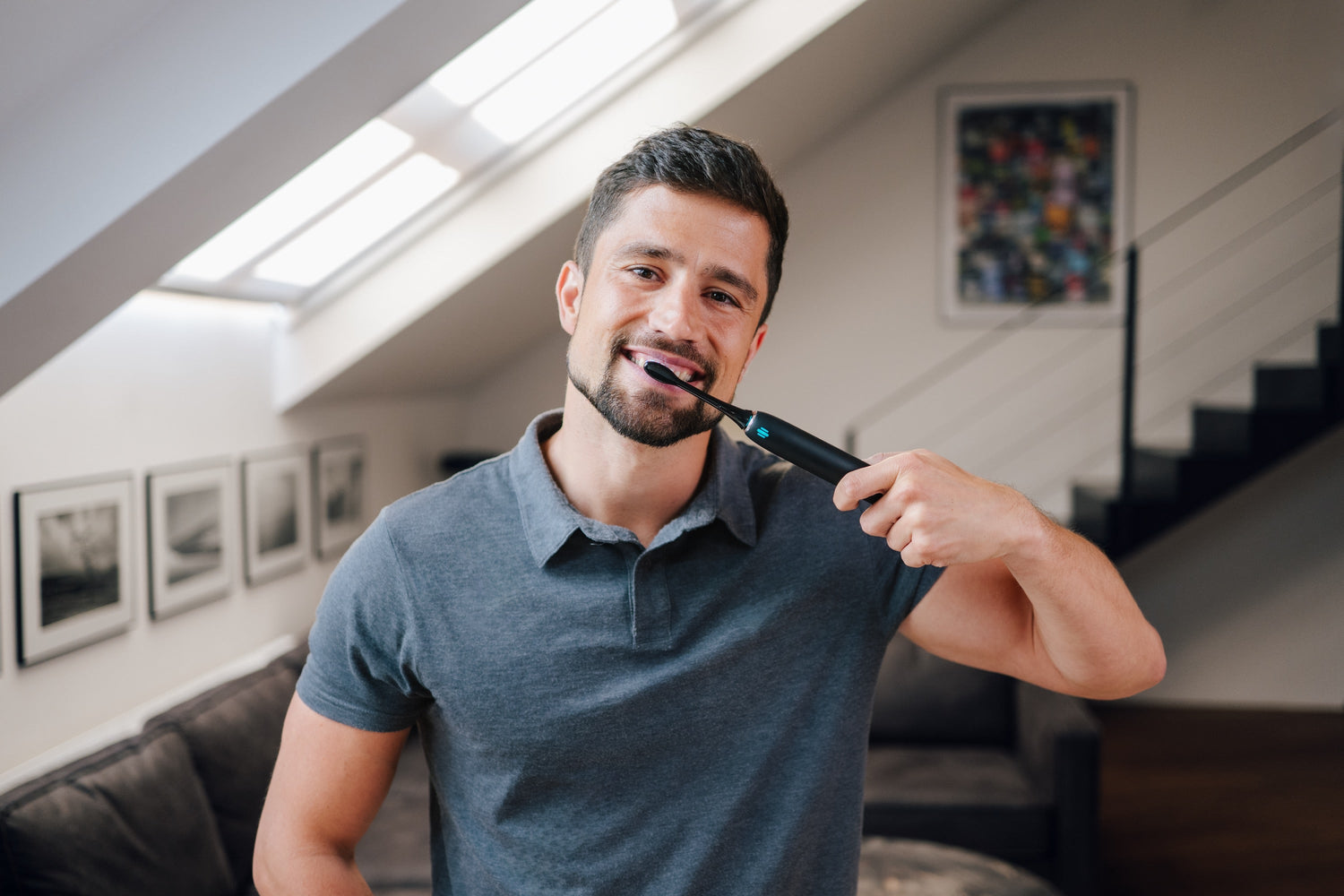
Sonická zubná kefka má dlhú hlavicu, tvarovanú podobne ako klasická kefka. Štetiny vibrujú veľmi rýchlo zo strany na stranu. Vediete ju pomaly pozdĺž zubov a prácu odvedie za vás.
Kefka s okrúhlou hlavicou funguje inak. Hlavica je malá, obopne vždy jeden zub a strieda otáčanie doľava a doprava. Technika je tak odlišná. Priložíte, chvíľu počkáte, prejdete na ďalší zub.
Toľko k teórii.
Prečo je táto voľba taká ťažká?
Pretože obe fungujú.
Elektrická zubná kefka, nech už ktoréhokoľvek typu, zvláda plak a zápal ďasien lepšie ako klasická. Rozdiely medzi oboma elektrickými typmi sú malé a odborníci sa stále hádajú, nakoľko na nich záleží. Toto je najopakovanejšia časť celej témy, tak si to rovno vybavme: nikto vám úprimne nedokáže povedať jasného víťaza. Čo je vlastne dobrá správa, pretože to znamená, že sa tu nedá spraviť chyba.
Čo by teda malo rozhodnúť?
Keď odložíte otázku, ktorá čistí lepšie, zostáva to, čo naozaj rozhodne, či s ňou budete spokojní.
Tvar hlavice a technika. Ak ste zvyknutí ťahať kefku pozdĺž zubov, sonická vám bude sedieť hneď od začiatku. Ak vám neprekáža spomaliť a venovať každému zubu pár sekúnd zvlášť, s okrúhlou hlavicou si dobre poradíte. Predstavte si sami seba pri umývadle. Je to lepší vodítko než akákoľvek tabuľka parametrov.
Zvuk a pocit. Sonická kefka znie ako tiché bzučanie, zatiaľ čo okrúhla hlavica je hlasnejšia a pôsobí razantnejšie. Niektorí ľudia vnímajú prvé použitie sonickej kefky ako lechtivé. Zvyčajne to prejde do pár dní.
Časovač a intervaly. Dve minúty sú dve minúty, a bez časovača to skoro nikto neodhadne správne. Pomôže aj upozornenie každých tridsať sekúnd. Vďaka nemu nestrávite polovicu času na predných zuboch a nezabudnete na zadné stoličky.
Kam si ju vezmete so sebou. Zubná kefka, ktorá zostane doma, keď na týždeň odcestujete, vám veľa nepomôže.
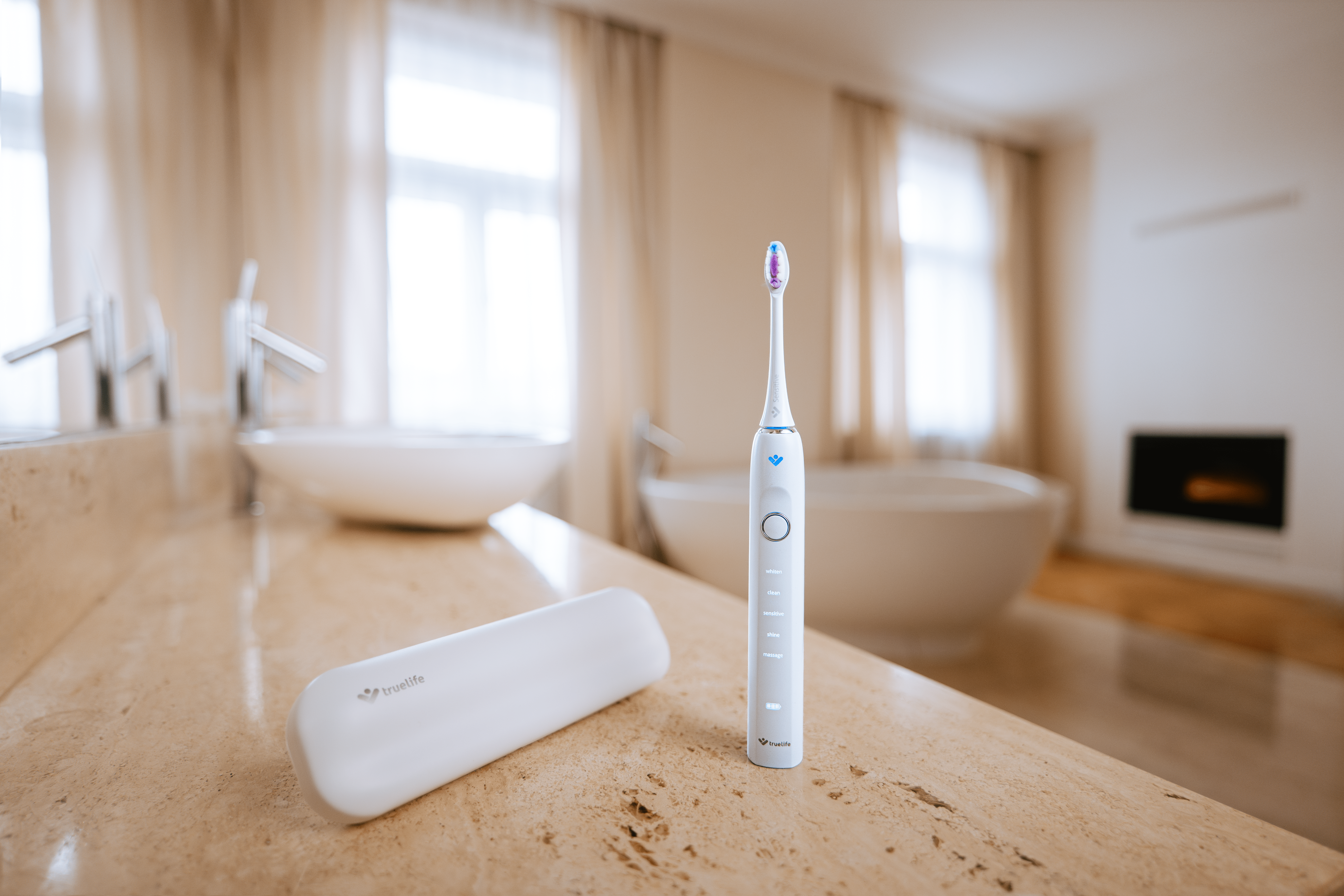
Model Truelife SonicBrush Compact pokrýva všetko z toho. Má časovač s tridsaťsekundovými intervalmi, štyri režimy vrátane jemnejšieho režimu Sensitive, a zmestí sa do cestovného puzdra. Hlavice majú modré štetiny, ktoré s používaním blednú, takže viete, kedy je čas na výmenu, bez toho, aby ste si to museli zapisovať do kalendára.

Na čo ľudia zabúdajú
Teraz k dôležitej časti. Väčšina ľudí sa trápi tvarom hlavice, hoci na zdravie ďasien má oveľa väčší vplyv niečo iné. To, ako silno tlačíte.
Znie to ako maličkosť. Nie je. Ak tlačíte príliš silno, vaše ďasná to odnesú, nech držíte akúkoľvek kefku. A takmer nikto si to na sebe nevšimne, pretože väčší tlak podvedome pôsobí ako dôkladnejšie čistenie. Nie je to tak.
Preto sa oplatí kefka, ktorá vám to povie. Truelife SonicBrush Clean70 UV má senzor SmartPressure, ktorý sleduje váš tlak a zobrazuje ho farebne. Modrá znamená, že to robíte správne, zelená, že ste na hranici, a červená spolu s jemnou vibráciou znamená: poľavte. Indikátor je viditeľný spredu aj zozadu, takže si techniku môžete skontrolovať aj v zrkadle. Puzdro navyše medzi čisteniami sterilizuje hlavice UV svetlom, čo oceníte najmä na cestách.
Senzor nie je podmienkou zdravých ďasien. Je to impulz, ktorý naučí vašu ruku správny tlak. Po pár týždňoch to už budete cítiť sami.
A slovo o technike, aby sedelo úplne všetko
Ani tá najlepšia zubná kefka nezachráni zlú techniku.
Priložte štetiny tam, kde sa zub stretáva s ďasnom, pod miernym uhlom. Postupujte pomaly od zuba k zubu a nechajte kefku odviesť jej prácu. Nedrhnite. Je to najčastejšia chyba pri elektrických kefkách a najrýchlejšia cesta k bolestivým ďasnám.
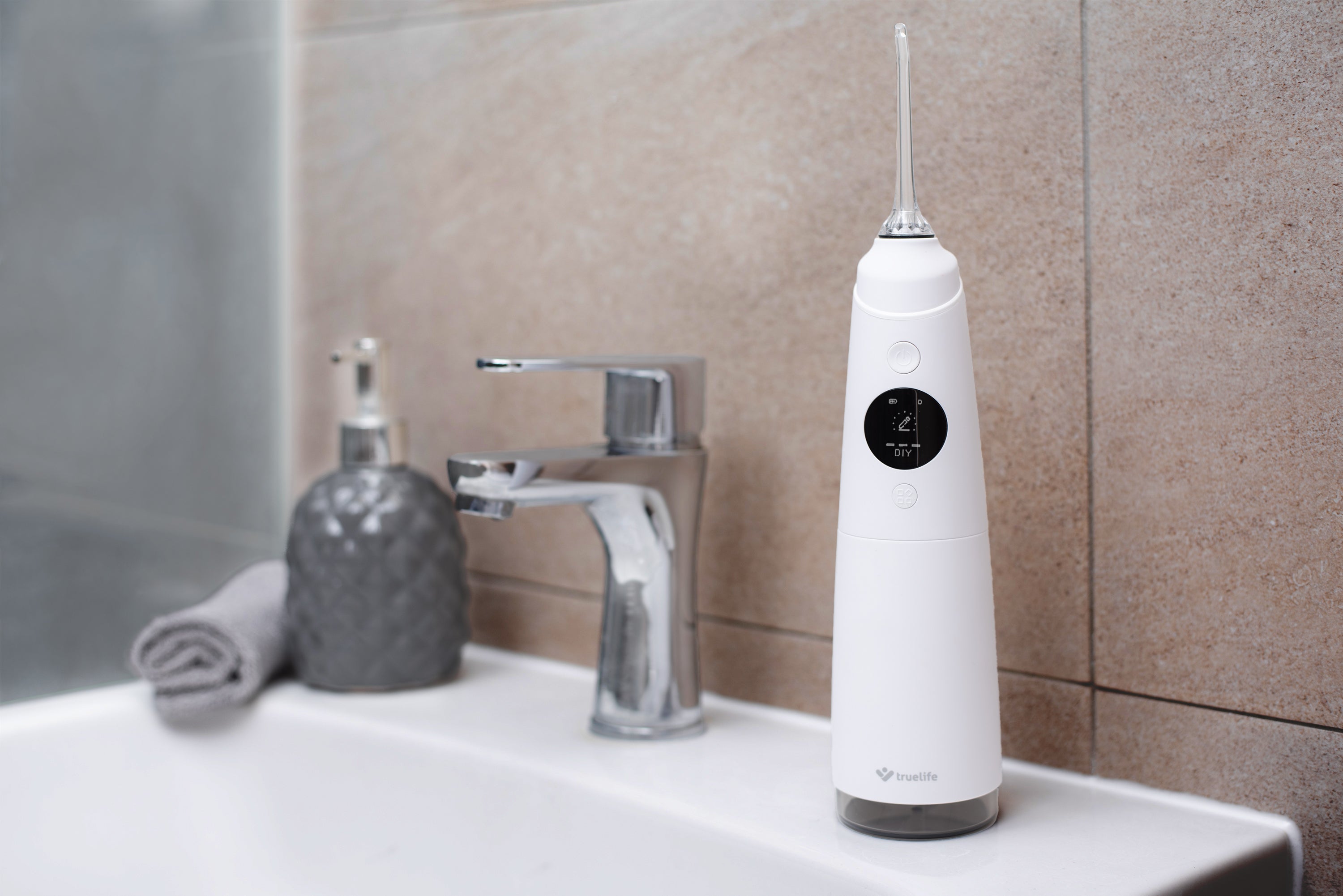
Ešte jedna vec, aby ste nemuseli hádať. Žiadna zubná kefka, elektrická ani klasická, poriadne nevyčistí priestor medzi zubami. Na to potrebujete medzizubné kefky, niť alebo ústnu sprchu. Technike sme sa podrobnejšie venovali v samostatnom článku.

FAQ
Je sonická zubná kefka lepšia než tá s okrúhlou hlavicou?
Medzi nimi nie je jasný víťaz. Oba typy zvládajú plak a zápal ďasien oveľa lepšie než klasická kefka a rozdiely medzi nimi sú malé. Vyberte si tú, ktorá vám dobre sedí v ruke a pri ktorej vydržíte.
Znamená viac pohybov za minútu lepšie čistenie?
Samo osebe nie. Číslo na krabičke nič nezaručuje, pretože záleží aj na hlavici, vašej technike a na tom, ako dlho si čistíte zuby. Kefka s nižším číslom môže čistiť rovnako dobre ako tá s dvojnásobným.
Poškodí mi elektrická zubná kefka ďasná alebo sklovinu?
Pri bežnom používaní nie. Problém nespôsobuje typ kefky, ale nadmerný tlak a drhnutie. Pomáha mäkká hlavica, jemný pohyb a kefka so senzorom tlaku.
Ako často mám meniť hlavicu?
Hlavicu meňte približne každé tri mesiace. Opotrebované štetiny sa rozstrapkajú a čistia výrazne horšie. Niektoré hlavice majú farebné štetiny, ktoré blednú a samy vám dajú vedieť, kedy je čas.
Nahrádza elektrická zubná kefka čistenie medzi zubami?
Nie, nenahrádza. Žiadna zubná kefka spoľahlivo nedosiahne priestor medzi zubami. Skombinujte ju s medzizubnými kefkami, niťou alebo ústnou sprchou.
Vyberte si tú, pri ktorej vydržíte
Dlhá hlavica alebo okrúhla? Tak či onak získate zubnú kefku, ktorá klasické čistenie zubov výrazne prevyšuje. Rozdiel medzi oboma typmi je menší než rozdiel medzi niekým, kto si dôkladne čistí zuby dve minúty, a niekým, kto to odbaví za tridsať sekúnd.
Vyberajte podľa toho, ako vám sedí v ruke, ako znie, a čo si naozaj radi zoberiete do ruky každý večer. Zvyšok urobí pravidelnosť.