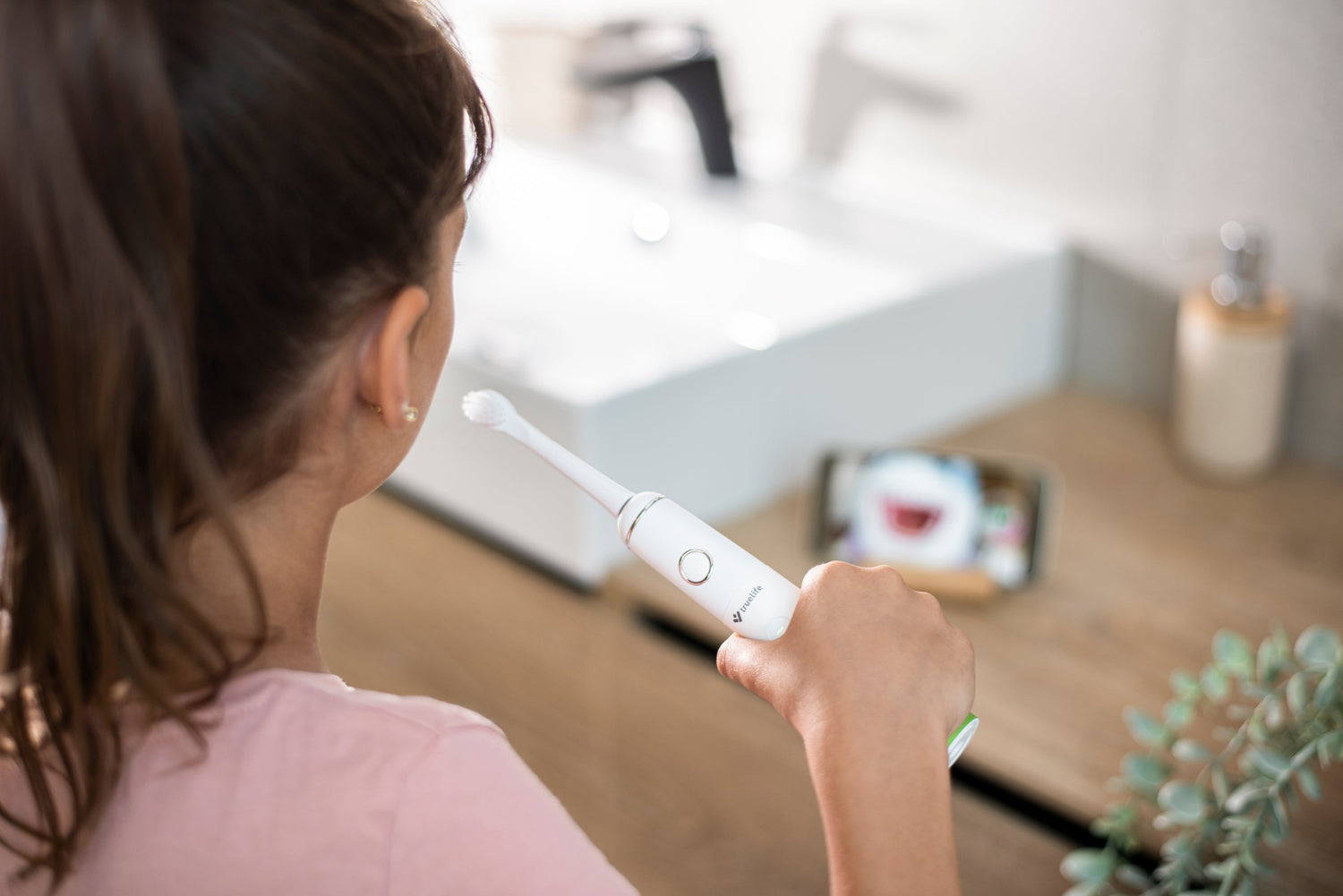
Čistenie zubov bývá u detí často malý boj. Rodiče spěchají, dieťa se zrovna nechce vzdát hry alebo pohádky a z koupelny se stává prostor pro vyjednávání.
Děti totiž veľmi neřeší, prečo je to dôležité. V jejich světě je to prostě otrava naviac. Ale dobrá zpráva je, že se to dá časom zlomit. Ne silou, spíš přístupem.
Kedy začať s čištěním zubov u detí
- S čištěním zubov je ideální začať hned, jakmile se vyklube první zoubek. V tu chvíľu nejde o dokonalé čistenie, spíš vytvoření nějaké rutiny.
- Na začátku stačí jemné čistenie pomocou detského kefke alebo silikonového návleku na prst. Dítě si postupně zvyká na to, že čistenie zubov je tak běžné jako mytí rukou alebo oblékání.
- Čím dřív se tohle stane rutinou, tím menej to pak budete řešit.

Ako dlouho by si deti měly čistiť zuby
Stejně jako dospělí by si deti měly čistiť zuby cca 2 minúty, ideálně 2x denne. Realita je ale většinou taková, že u menších detí ste rádi, že vůbec otevřou pusu :)
Takže na začátku se tolik neupínejte na čas. Důležitější je pravidelné čistenie a aby dieťa vědělo, čo má zhruba robiť.
Pomoci môže rozdělení čistenie na části:
- horný zuby
- dolný zuby
- přední a zadní plocha
Vďaka tomu má dieťa jasnější představu a snáz udrží pozornost.
Ako motivovať deti k čisteniu zubov
Největší rozdíl nastane ve chvíľu, kedy to přestane byť „musíte“ a začne to byť aspoň trochu hra.
Čo sa v praxi osvědčilo:
- Hudba alebo časovač
Krátká písnička alebo časovač na 2 minúty pomôže dieťaťu pochopiť, ako dlouho si má zuby čistiť. - Hra a fantazie
Děti milují pohádky a příběhy. Jednou sú zoubky hrdinové, jindy čistí zlé příšerky. - Společné čistenie
Keď vás deti vidí, že to děláte tiež, neřeší to tolik. - Nechat je vybrať
Kefka, pasta… drobnost, ale funguje. Najednou to nie je něco, čo jim nutíte.
Prečo záleží na správném kefke
Výber kefke se často podceňuje. Keď je kefka velký, tvrdý alebo se zle drží, dieťa se s tím prostě prát nebude. A odpor roste.
Tohle je základ:
- menší hlavici
- měkké štetiny
- rukojeť, čo sa dobre drží
Výber kefke podľa věkové kategorie dieťaťa
Děti 3–6 rokov
U těch nejmenších jde hlavně o jednoduchost. Kefka by měl byť malý, jemný a dobre padnout do ruky.
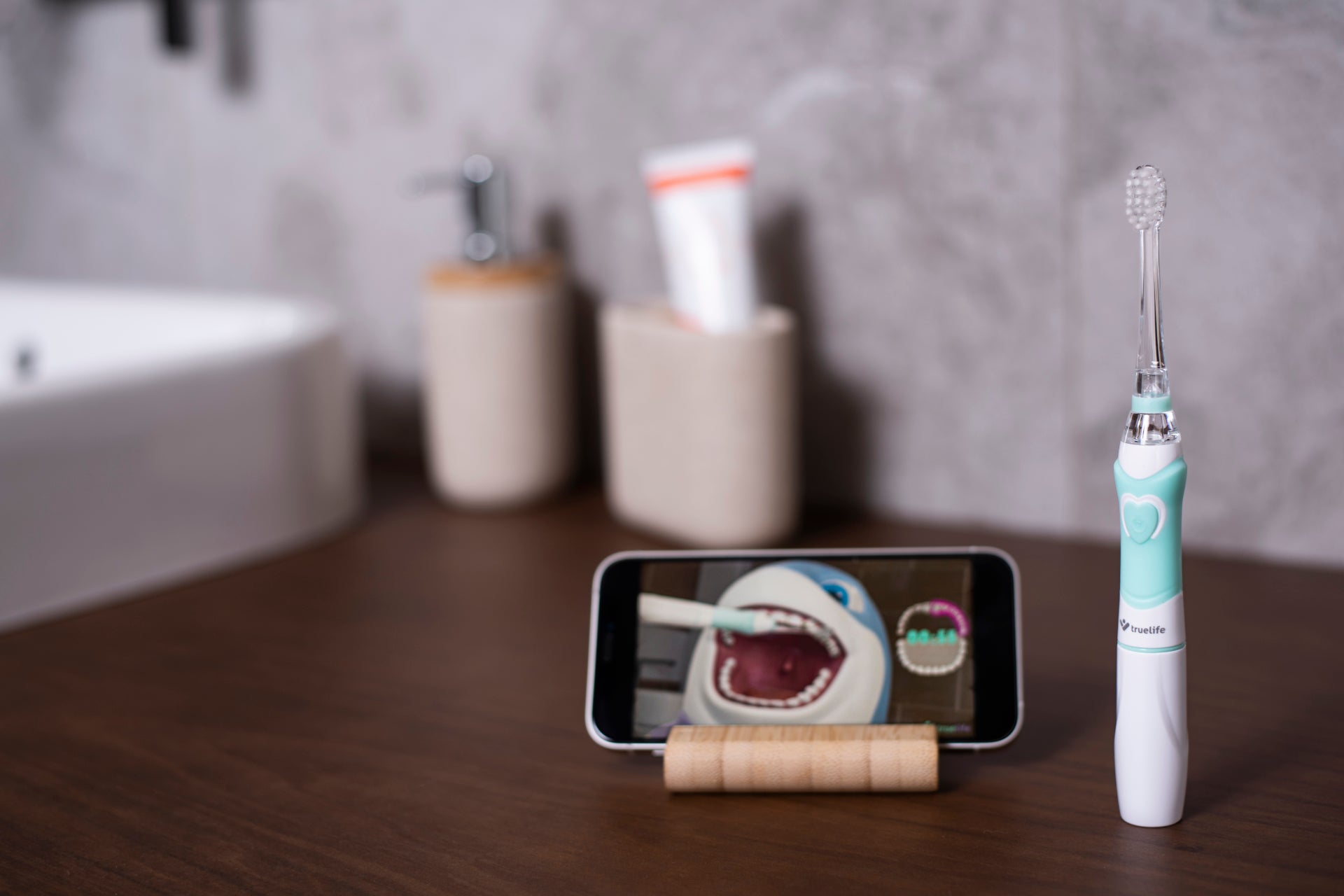
Třeba SonicBrush Baby G je v tomhle smere dost přizpůsobený. Má menší hlavici, měkké štetiny a naviac podsviacní. To se môže zdát jako detail, ale ve skutečnosti to pomáha ako dieťaťu, tak rodičmi vidět, kam se vlastně čistí. Plus má v sebe časovač, takže aspoň trochu hlídá délku čistenie za vás.

Děti 5–9 rokov
Tady už deti zvládnou o něco viac samy, ale pořád to nie je úplne bez dozoru.
Napríklad SonicBrush Kid G je navržený tak, aby byl pořád jemný, ale už trochu „dospělejší“. Velikost odpovídá věku, dobre se drží a LED světlo pomáha s orientací pri čistenie. Nechybí ani časovač, takže dieťa nemusí řešit, ako dlouho si má zuby čistiť.

Děti 7–14 rokov
Starší deti už chtějí mať věci viac pod kontrolou. A často je baví, keď si môžu něco nastavit po svém.
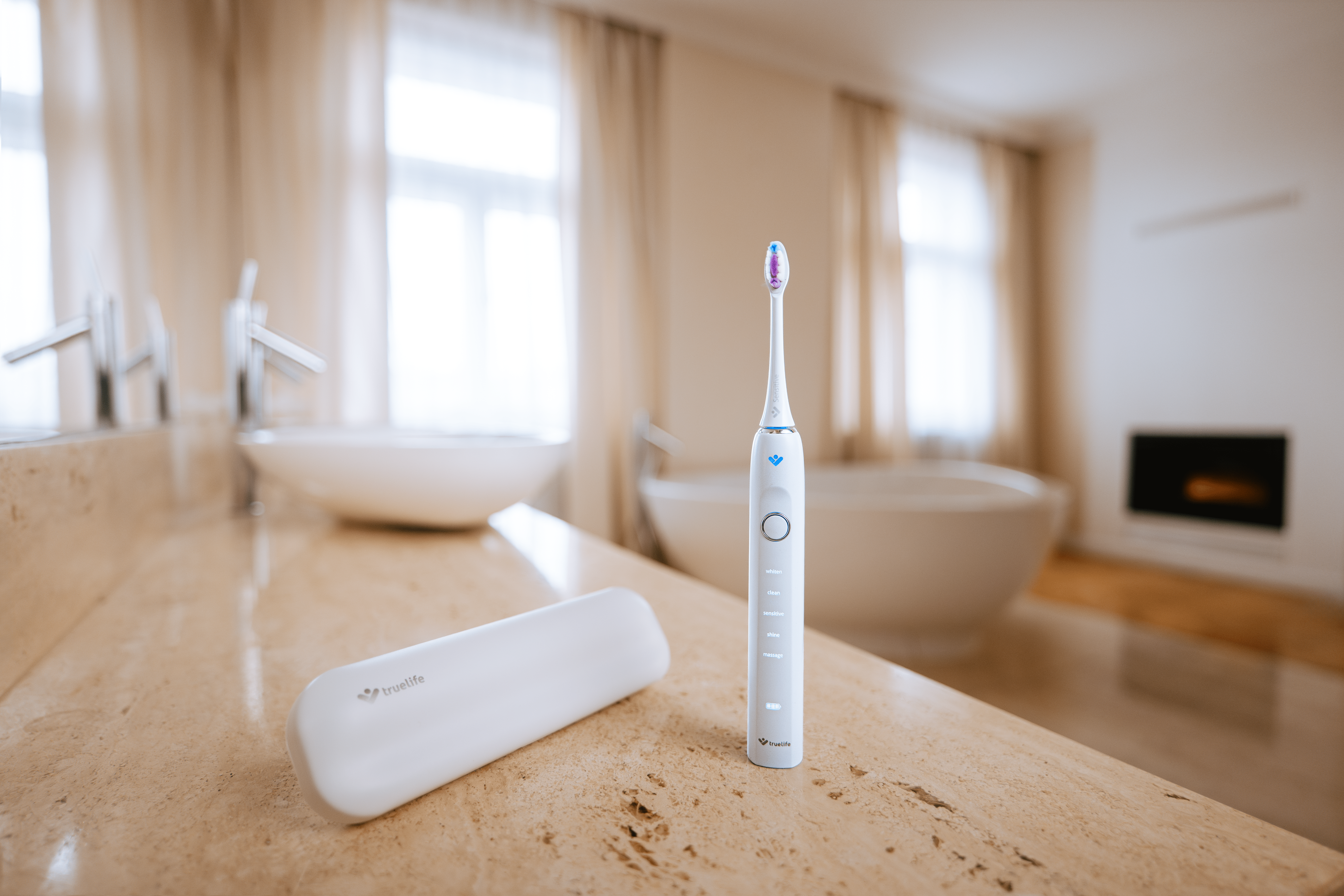
Třeba SonicBrush Junior J100 nabízí viac režimů čistenie, takže si dieťa môže vybrať, čo mu vyhovuje. Pořád má měkké štetiny a velikost přizpůsobenou deťom, ale přidává trochu „volnosti“. Samozřejmostí je i časovač, ktorý hlídá, aby čistenie neskončilo po 20 sekundách.

Prečo vlastně sonická kefka
Možná už si to někde slyšeli, ale dává to smysl... Sonické kefky pracují s jemnými vibracemi, takže část práce udělají za dieťa. Nemusí tolik tlačit, nemusí řešit techniku.
Keď se dieťa sekne
Odpor k čistenie zubov je normální. Často souvisí s věkem, náladou a niekedy prostě len nechce.
V takových situacích nemá smysl tlačit na pilu, lepší je zachovat pokoj a trpělivost.
Čo funguje líp:
- dát na výber („tenhle alebo tenhle kefka?“)
- držet nějaký režim (i keď občas skřípe)
- zkusit to společně miesto „běž si vyčistit zuby“
- odlehčit to, keď to jde
Tak ako na to ve výsledku?
Žádný zázračný trik neexistuje.
Spíš je to mix:
- trochu rutiny
- trochu hry
- trochu trpělivosti (ok, niekedy veľa 😄)
A postupně se z toho stane normální věc, ktorá už tolik nedrhne.