
Čoraz viac ľudí prechádza na sonickú zubnú kefku. A takmer každý z nich potom od niekoho počuje varovanie. Že opotrebúva sklovinu. Že spôsobuje ústup ďasien. Že vyrazí plombu.
Poďme si prejsť päť obáv, ktoré sa držia najviac. Za každou z nich sa skrýva niečo zaujímavé.
Odkiaľ sa tieto obavy vlastne berú
Väčšinou z dvoch zdrojov. Niektoré sú rady, ktoré kedysi dávali zmysel, ale odvtedy zastarali. Zvyšok pochádza od dentálnych hygieničiek, ktoré v kresle bežne vidia opotrebované krčky zubov a prirodzene si ich spájajú s tým, čím si pacient práve čistí zuby.
Keď si však týchto päť mýtov rozoberiete, takmer všetky vedú k jednej jedinej veci. A nie je to model kefky.
Opotrebúva sonická kefka moju sklovinu?
Sama osebe len málo. Rozhoduje o tom vaša zubná pasta a to, ako silno tlačíte.
Znie to prekvapivo, ale sklovina znáša štetiny pozoruhodne dobre. Čo ju skutočne opotrebúva, sú abrazívne častice v paste. Každá zubná pasta má hodnotu abrazivity nazývanú RDA a rozdiely medzi nimi sú značné. Bieliace pasty patria medzi najdrsnejšie.
Ak teda skombinujete silno abrazívnu pastu s poriadnym tlakom, dostanete kombináciu, ktorú vaše zuby naozaj neocenia. To ale platí rovnako aj pre klasickú kefku.
Praktické ponaučenie je jednoduché. Používajte bežnú fluoridovú pastu, bieliacu si nechajte len občas a hlavne poľavte s tlakom.
Ustupujú ďasná kvôli sonickej kefke?
Neustupujú. Trojročná klinická štúdia u ľudí, ktorí už mali ustupujúce ďasná, zistila presný opak toho, čo sa dialo pri klasickej kefke.
Vinníkom nie je motorček. Je to tlak a technika. Drhnutie sem a tam škodí ďasnám oveľa viac než akékoľvek vibrácie.
Sonickou kefkou totiž nedrhnete. Priložíte ju k zubu, chvíľu počkáte a idete ďalej. Prácu odvádza kefka, vašou úlohou je ju len viesť. Väčšina ľudí spočiatku robí presný opak a tlačí oveľa silnejšie, než je potrebné.
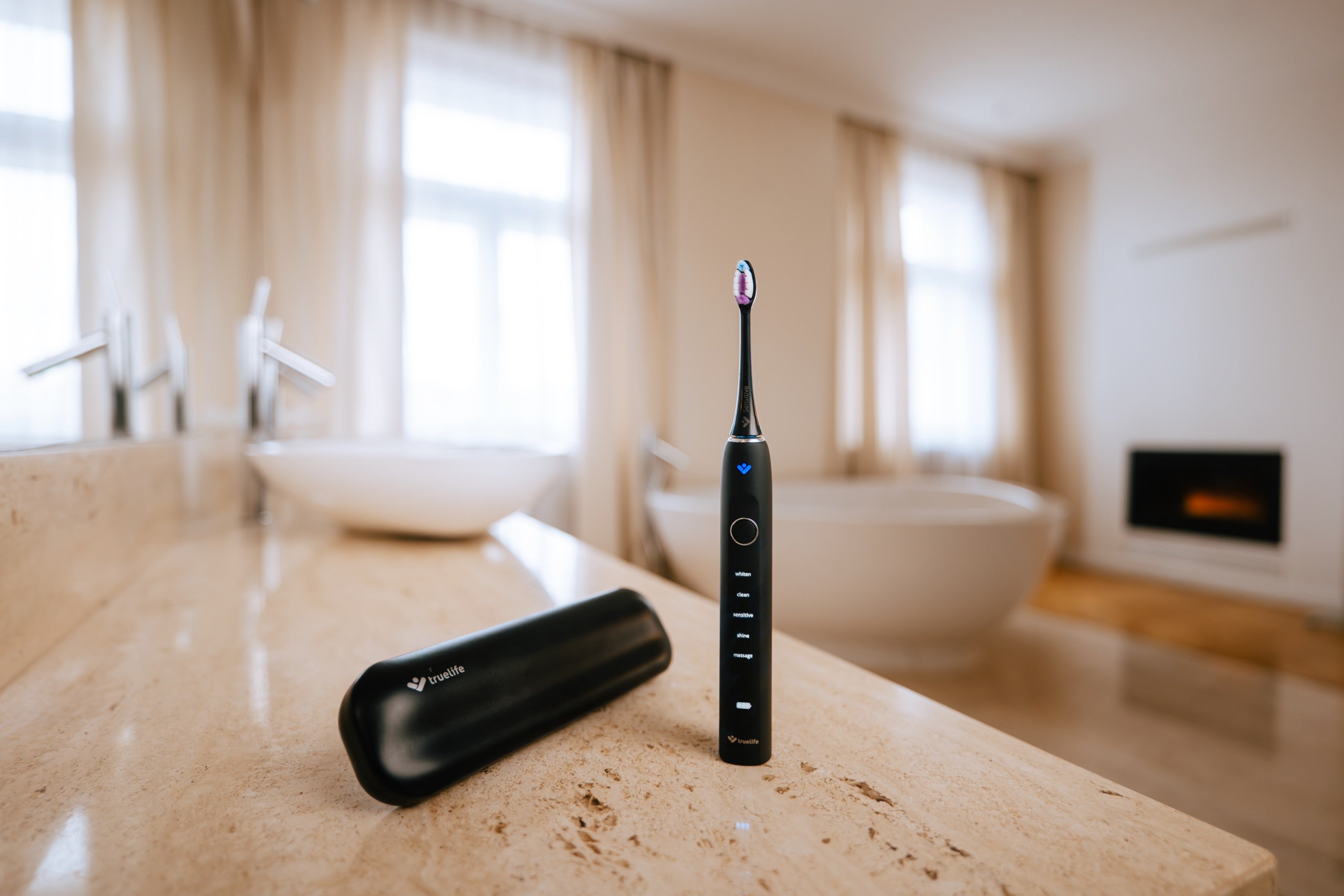
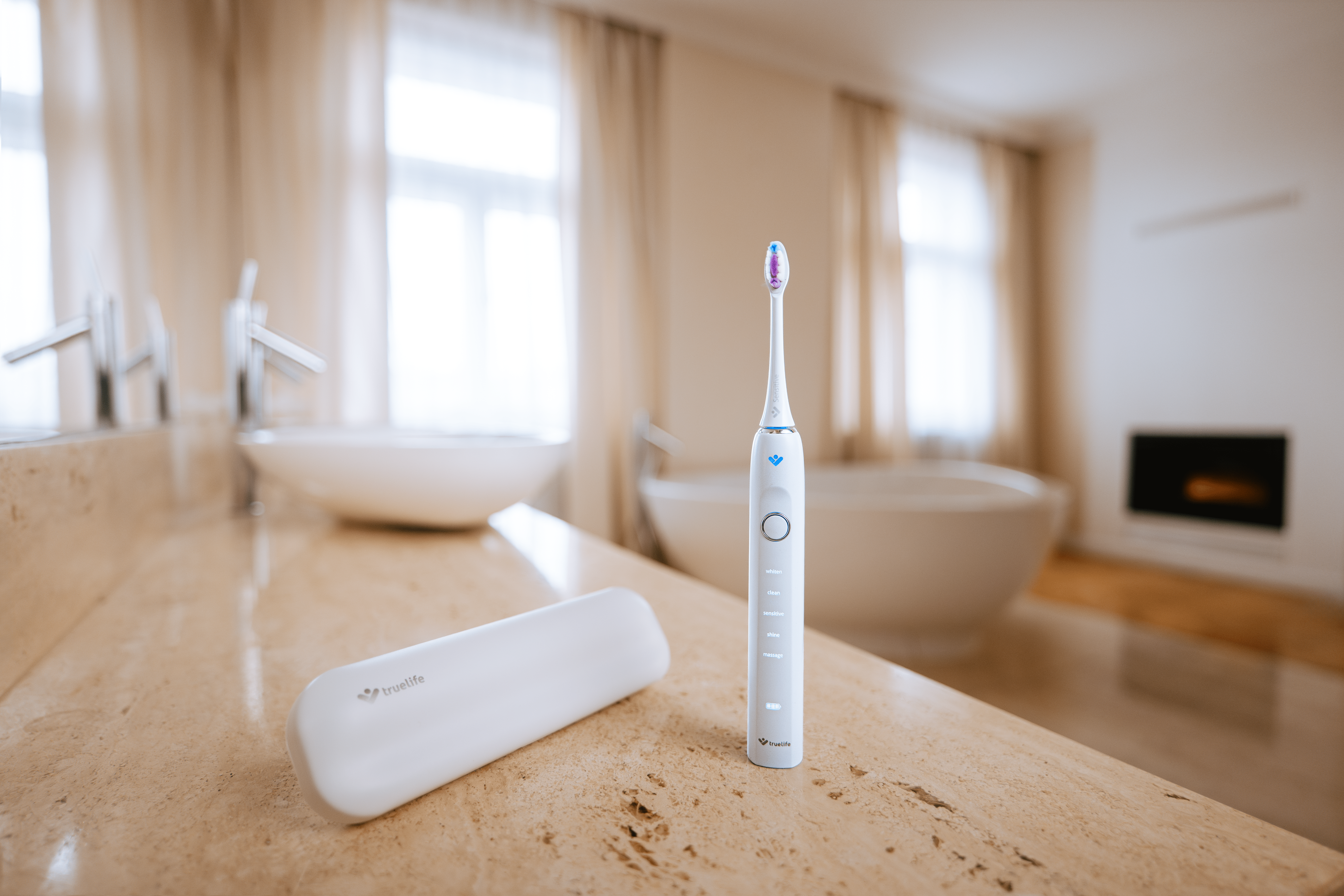
Práve preto sa oplatí kefka, ktorá za vás stráži tlak. Truelife SonicBrush Clean70 UV má trojstupňový senzor tlaku. Farebné svetlo ukazuje, či tlačíte primerane, alebo už príliš silno, a ak túto hranicu prekročíte, kefka začne pulzovať. Ruka sa sama prispôsobí v priebehu pár týždňov.

Môžu vibrácie uvoľniť plomby a korunky?
Nemôžu. Obava dáva zmysel, ale nič ju nepodporuje.
Keď plomba počas čistenia naozaj vypadne, zvyčajne ide o náhodu. Bola už podlomená zubným kazom alebo jednoducho opotrebovaná a rovnako ľahko by vypadla aj pri večeri. Elektrické kefky sa bežne odporúčajú ľuďom s implantátmi, korunkami a rovnátkami, pretože plak sa okolo takýchto prác drží najviac.
Nahrádza sonická kefka zubnú niť?
Nenahrádza. A tu záleží na úprimnosti.
Štetiny sa nedostanú úplne do medzier medzi zubami, a to platí rovnako pre elektrické aj klasické kefky. Pritom práve v medzizubných priestoroch najčastejšie začína zápal ďasien a zubný kaz, pretože tam nikto nikdy nepozrie.
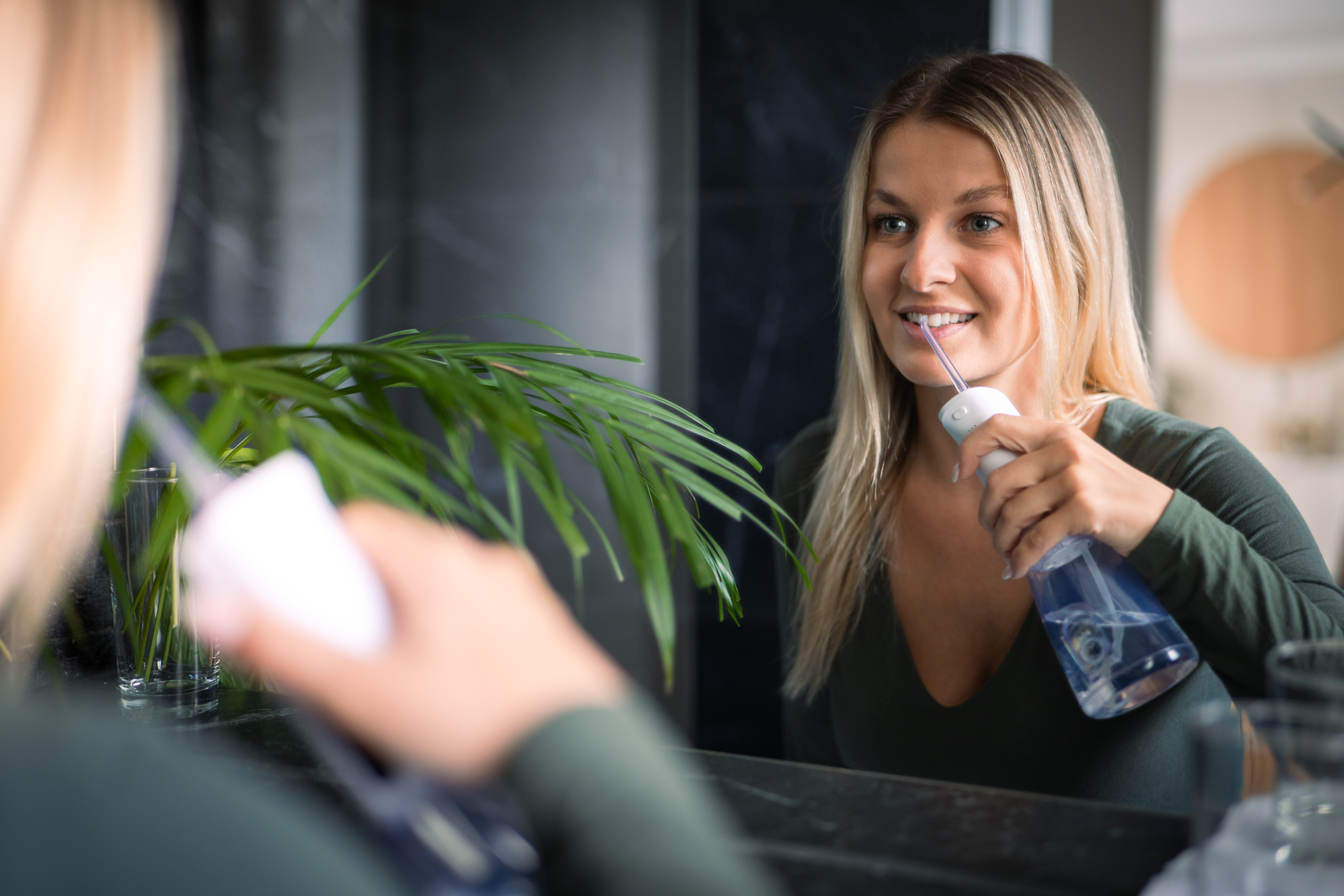
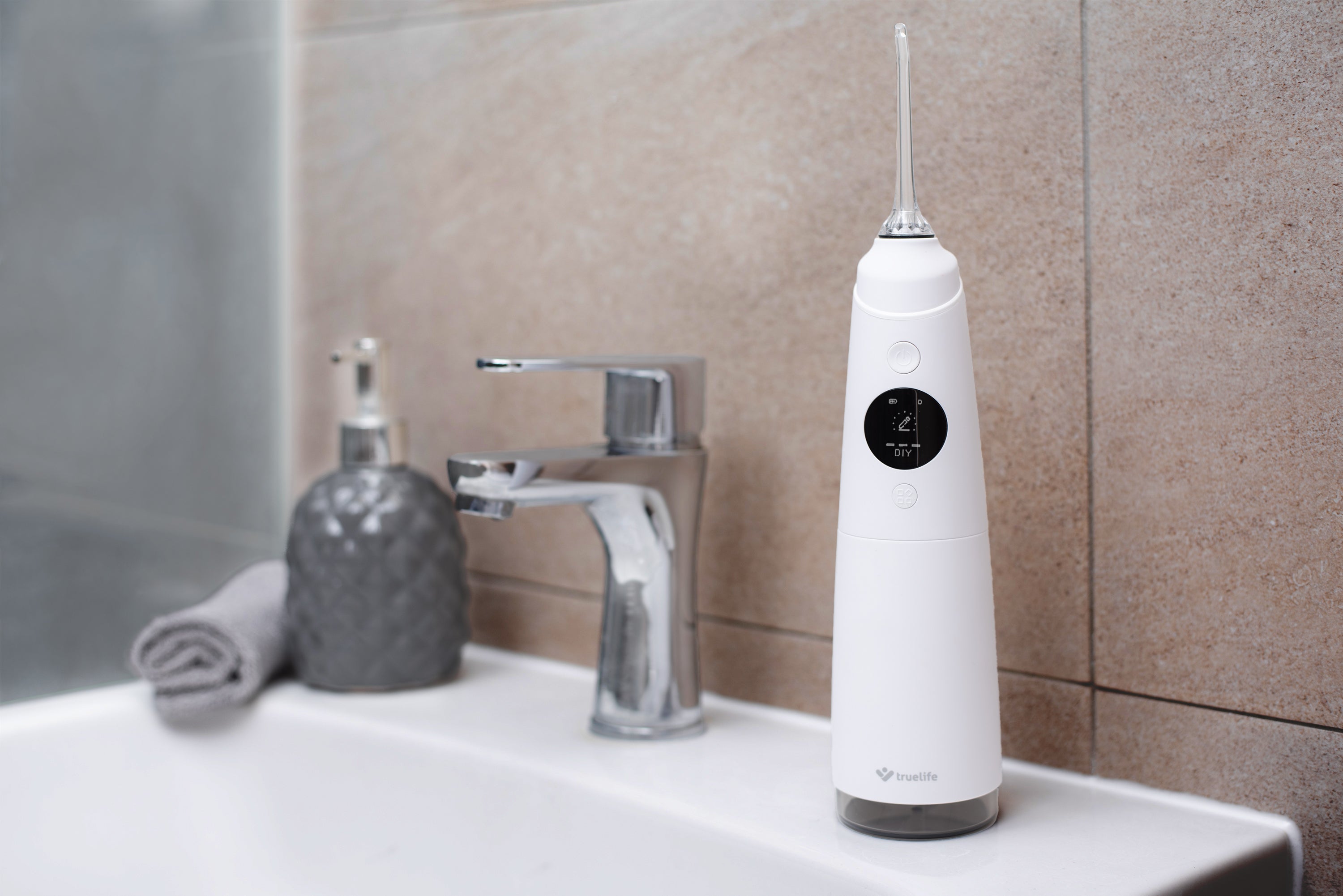
Ako si s tým poradíte, je na vás. Niť, medzizubné kefky alebo ústna sprcha, každá má svoje prednosti a najlepšia je tá, ktorú budete naozaj používať. Ľudia, ktorým niť nejde od ruky, alebo ktorí majú rovnátka a mostíky, zvyčajne siahnu po ústnej sprche, ako je Truelife AquaFloss.
Raz denne stačí. Ideálne večer.

Môžem si sonickou kefkou čistiť zuby kratšie?
Nemôžete. Dve minúty platia stále.
Sonická kefka prácu uľahčí, ale plochu, ktorú musíte pokryť, nezmenší. A ľudia svoj čas pri umývadle dosť preceňujú. Keď si niekto myslí, že si čistil zuby dve minúty, býva to bližšie k jednej.
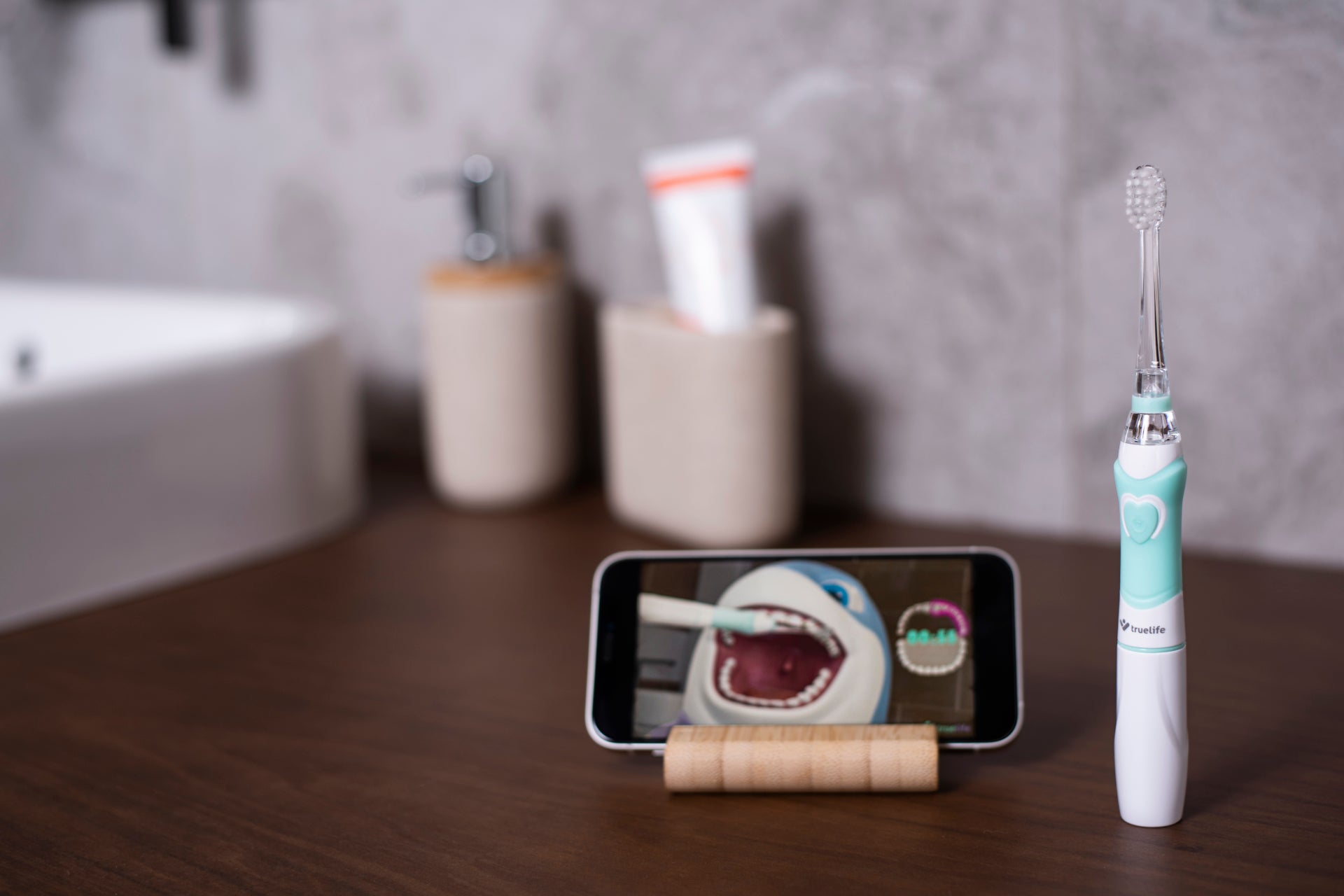
Na to existuje jednoduché riešenie. Truelife SonicBrush Compact má vstavaný dvojminútový časovač a každých tridsať sekúnd krátko zabzučí, aby ste prešli na ďalšiu časť úst. Nič prevratné. Ale je to lepšie než hádať.
FAQ
Ako silno mám tlačiť na sonickú kefku?
Tlačte čo najjemnejšie. Priložte kefku tak, aby sa štetiny dotýkali zuba a len jemne zavadili o ďasno, a to je všetka sila, ktorú potrebujete. Ak sa vám štetiny pri čistení viditeľne rozchádzajú do strán, tlačíte príliš silno.
Môžem sonickú kefku používať s rovnátkami?
Áno, sonická kefka je s rovnátkami bezpečná a zámky neuvoľní. Plak sa okolo zámkov a drôtikov drží obzvlášť dobre, takže na dôkladné čistenie tam záleží ešte viac než inde.
Ako často mám meniť hlavicu kefky?
Hlavicu meňte každé tri mesiace, skôr, ak sa štetiny začnú rozchádzať. Opotrebované štetiny po zube skôr kĺžu, než aby odstraňovali plak.
Potrebujem na sonickú kefku špeciálnu zubnú pastu?
Špeciálnu pastu nepotrebujete. Postačí bežná fluoridová pasta, ideálne s nižšou abrazivitou. Niektorí ľudia uprednostňujú menej peniacu variantu, pretože sonická kefka pastu poriadne rozšľahá.
Na čom naozaj záleží
Prejdite si všetkých päť mýtov a zakaždým vyjde najavo to isté. Sklovina, ďasná, plomby, výsledná čistota zubov. O ničom z toho nerozhoduje typ kefky, ale to, ako silno tlačíte, ako dlho si čistíte zuby a či sa dostanete aj medzi ne.
Dobrá kefka vám v tom pomôže. Senzor tlaku a časovač nie sú marketingová ozdoba, sú to dve funkcie, ktoré vás naučia lepší návyk, a potom si ho už udržiavate sami.
Zvyšok je na vás. A je to menej práce, než to vyzerá.