
Čistenie zubov u detí sa často dokáže zmeniť na malý boj. Rodičia sa ponáhľajú, dieťa nechce prestať s hraním či pozeraním rozprávky, a kúpeľňa sa zrazu stáva miestom vyjednávania.
Väčšina rodičov vie, ako by sa mali dieťaťu čistiť zuby: dvakrát denne, mäkkou zubnou kefkou a malým množstvom zubnej pasty. Skutočný problém nastáva, keď dieťa zavrie ústa a odvráti hlavu. Tu je návod, ako to zvládnuť bez straty nervov.
Pred príchodom prvého zúbka
Odporúčania sa v tomto bode líšia. Niektoré zdroje radia utierať ďasná gázou alebo silikónovým prstovým kefkou po každom kŕmení, iné tvrdia, že tkanivá v ústach sa čistia samy a rutinné čistenie bezzubých úst je zbytočné. Pravda leží niekde medzi tým.
Čo však má zmysel, je zvyknúť si bábätko na to, že sa ho dotýkate v ústach. Robte to jemne, krátko a bez tlaku. Keď o niekoľko mesiacov zavediete zubnú kefku, nebude to preň prvý neznámy pocit tohto druhu.
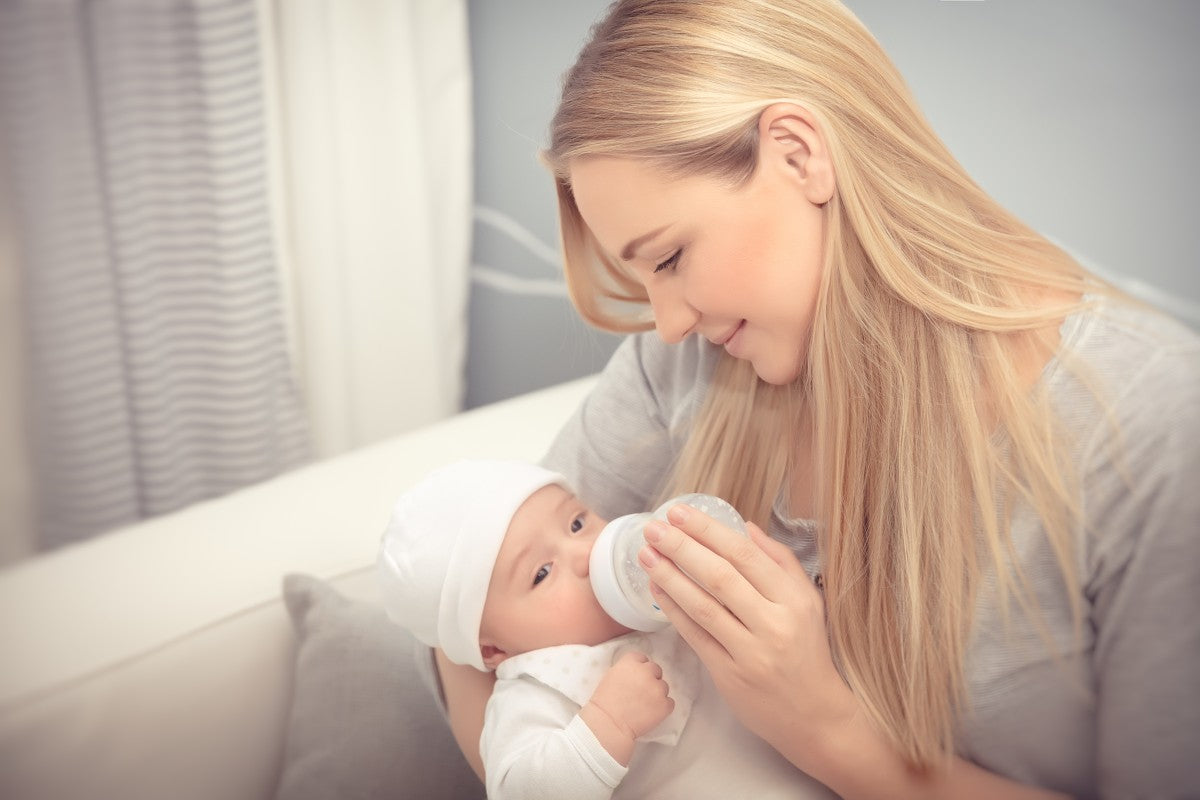
Je tu jedna dôležitá vec, na ktorú treba pamätať. Baktérie spôsobujúce zubný kaz sa v ústach dieťaťa neobjavia samy od seba. Dospelí ich môžu preniesť olizovaním cumlíka, spoločnou lyžičkou alebo ochutnávaním mlieka z cumlíka fľaše dieťaťa. Môže to znieť ako drobnosť, no vyhýbanie sa tomu patrí medzi najúčinnejšie dostupné preventívne opatrenia. A nič to nestojí.
Prvý zúbok mení pravidlá
Prvý zúbok sa zvyčajne objavuje medzi piatym a desiatym mesiacom veku, najčastejšie okolo šiesteho až ôsmeho mesiaca. Zvyčajne ide o jeden z dolných predných zubov. Normálne rozpätie je široké, takže nezáleží na tom, ak susedovo bábätko malo zúbky už v štyroch mesiacoch, kým vaše dostane prvý až v jedenástich.
Od tohto momentu však platí jasné pravidlo: čistite zuby dvakrát denne.
Nepoužívajte silikónovú prstovú kefku. Je užitočná na masírovanie ďasien, no nedokáže dôkladne vyčistiť sklovinu zubov. Potrebujete poriadnu zubnú kefku s malou hlavou, veľmi mäkkými štetinami a hrubšou násadou, ktorá sa dobre drží.
Večerné čistenie je dôležitejšie ako ranné. V noci klesá tvorba slín, čo znamená, že zuby strácajú časť svojej prirodzenej ochrany. Ak má byť jedno čistenie kratšie alebo menej dôkladné, nech je to to ranné. Nikdy naopak.

Koľko zubnej pasty použiť a čo s fluoridom?
Toto je téma, ktorá spôsobuje najviac zmätku. Úprimne, ani odborné zdroje sa vždy nezhodnú.
Súčasné odporúčania Európskej akadémie detskej stomatológie, ktoré sa premietajú aj do novších českých odborných usmernení, sú nasledovné:
- Od prvého zúbka do 2 rokov: zubná pasta s obsahom 1 000 ppm fluoridu, v množstve veľkosti zrnka ryže
- Od 2 do 6 rokov: zubná pasta s obsahom 1 000 ppm fluoridu, v množstve veľkosti malého hrášku
- Od 6 rokov: zubná pasta s obsahom 1 450 ppm fluoridu, približne jeden až dva centimetre
Tu je niečo, na čo možno inde nenarazíte: stretnete sa aj s inými číslami. Staršie české usmernenia odporúčajú pre veľmi malé deti zubnú pastu s obsahom len 400 alebo 500 ppm fluoridu, a táto informácia sa stále nachádza na weboch, ktoré pôsobia oficiálne. Nejde len o omyl na internete. Ide o staršiu generáciu odporúčaní, ktorá zatiaľ nebola všade aktualizovaná.
Prečo sa odporúčanie zmenilo? Výskum ukázal, že množstvo pasty je dôležitejšie než samotná koncentrácia. Malé množstvo silnejšej pasty chráni zuby účinnejšie než veľké množstvo slabšej pasty, a je pritom aj bezpečnejšie.
Toto je kľúčový bod: deti približne do troch až piatich rokov nedokážu pastu poriadne vypľuť a môžu prehltnúť 50 až 70 % jej množstva. Preto by mal pastu na kefku dávať rodič, nie dieťa. Tuba by sa nemala dostať do rúk malého dieťaťa.
‼️Ak nechcete používať fluorid, alternatívou je zubná pasta s hydroxyapatitom. Hydroxyapatit je minerál, ktorý sa prirodzene nachádza v zubnej sklovine. Môže podporovať remineralizáciu a je bezpečný pri prehltnutí. V súčasnosti je k dispozícii menej dlhodobých dôkazov než pri fluoride, no aj tak ide o rozumný kompromis a rozhodne lepšiu voľbu než pasta, ktorá neobsahuje ani fluorid, ani hydroxyapatit.

Keď batoľa odmieta spolupracovať
Takto vyzerá čistenie zubov v mnohých domácnostiach: dieťa kričí, odvracia hlavu, zatvára ústa a rodič nakoniec kefku odloží, pretože sa to daný deň jednoducho nepodarilo. Niekedy pomôžu piesne, tanec alebo rozprávky. No niekedy nezaberie nič z toho.
Čo robiť, keď premena čistenia na hru nestačí?
Zmeňte polohu. Nestojte oproti dieťaťu. Sadnite si na podlahu, položte dieťa na chrbát tak, aby malo hlavu vo vašom lone, a čistite zuby zhora. Máte jasný výhľad do úst, obe ruky voľné a dieťa má menej priestoru na odvrátenie hlavy. Detskí zubári túto polohu často učia, pretože sa podobá spôsobu, akým deti sami vyšetrujú.
Môžete vyskúšať aj polohu „koleno na koleno“. Dvaja dospelí sedia oproti sebe, kolená sa dotýkajú. Dieťa leží naprieč cez ich nohy, chrbtom podopreté jedným dospelým, s hlavou v lone druhého. Jedna osoba drží ruky dieťaťa, druhá čistí zuby. Je to rýchle a účinné.
Nechajte dieťa mať vlastnú zubnú kefku. Dovoľte mu, aby ju držalo a samostatne si „čistilo“ zuby. Prácu potom môžete dokončiť druhou kefkou. Toto rozdelenie úloh funguje často prekvapivo dlho.
A teraz nepríjemná časť: niekedy jednoducho musíte vyčistiť zuby plačúcemu dieťaťu. Neznamená to, že ste zlyhali ako rodič. Je to voľba medzi tridsiatimi sekundami protestu dnes a zubným ošetrením v troch rokoch. Potvrdia to zubári, ktorí musia dvojročným deťom so silne skazenými prednými zubami zariaďovať celkovú anestéziu.
Pravidlo je jednoduché: buďte rýchli, sebavedomí a pokojní. Nepoužívajte zbytočnú silu, no ani nevyjednávajte. Dieťa musí pochopiť, že o tomto nemôže hlasovať. Je to ako zapínanie bezpečnostného pásu v aute.
Väčšina detí z tejto fázy vyrastie okolo tretieho roku. Nebude trvať večne.
Tri roky: keď začína pomáhať technológia
Okolo tretieho roku sa situácia začína meniť. Deti viac rozumejú, chcú robiť veci samostatne a začínajú reagovať na motiváciu.
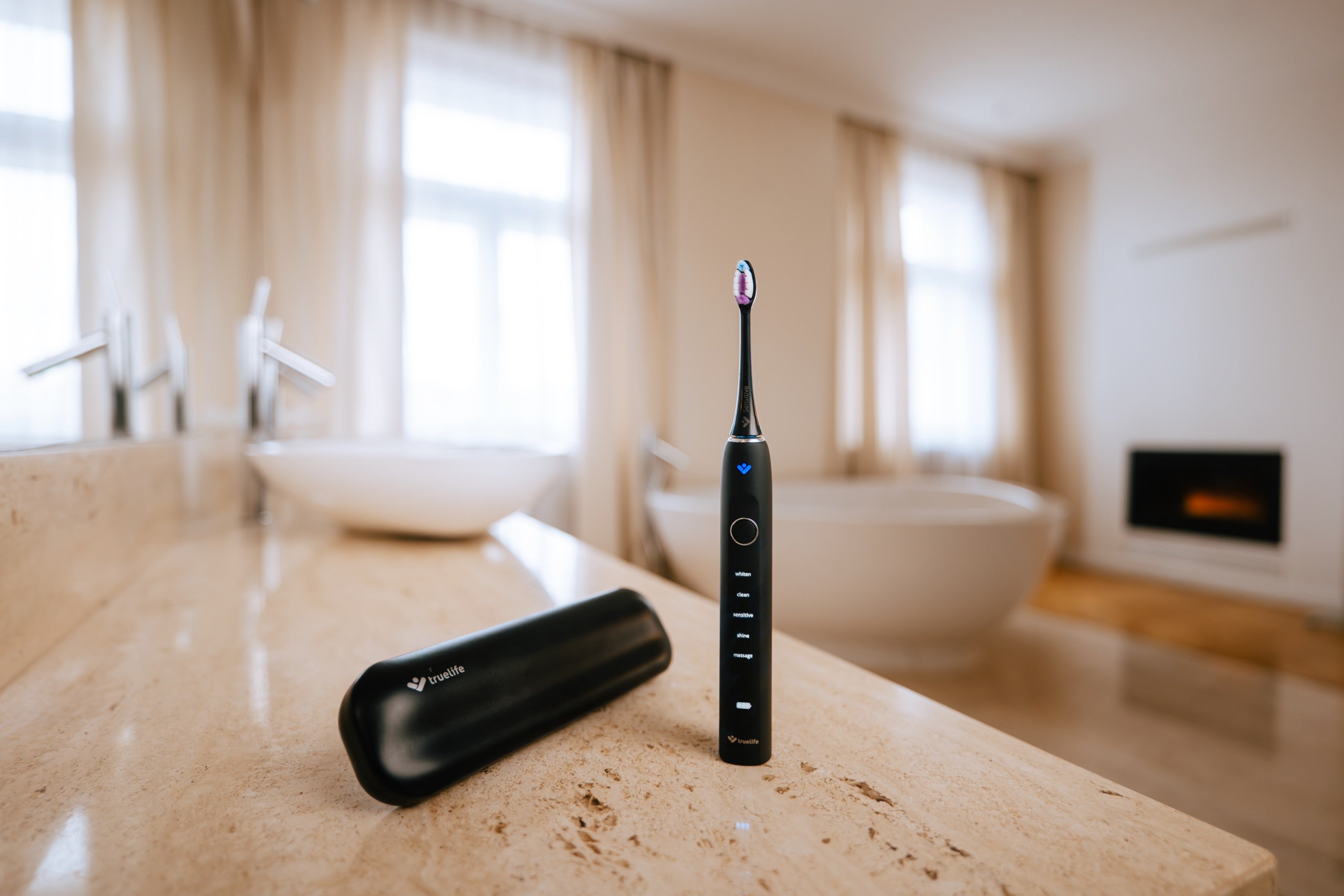
Práve vtedy začína dávať zmysel sonická zubná kefka. Nie skôr. Odborníci vo všeobecnosti neodporúčajú sonické kefky batoľatám mladším ako tri roky, keďže vibrácie v ústach ich môžu vystrašiť. Od troch rokov je však situácia iná.
Je dôležité presne vedieť, čo tento typ kefky dokáže a čo nie.
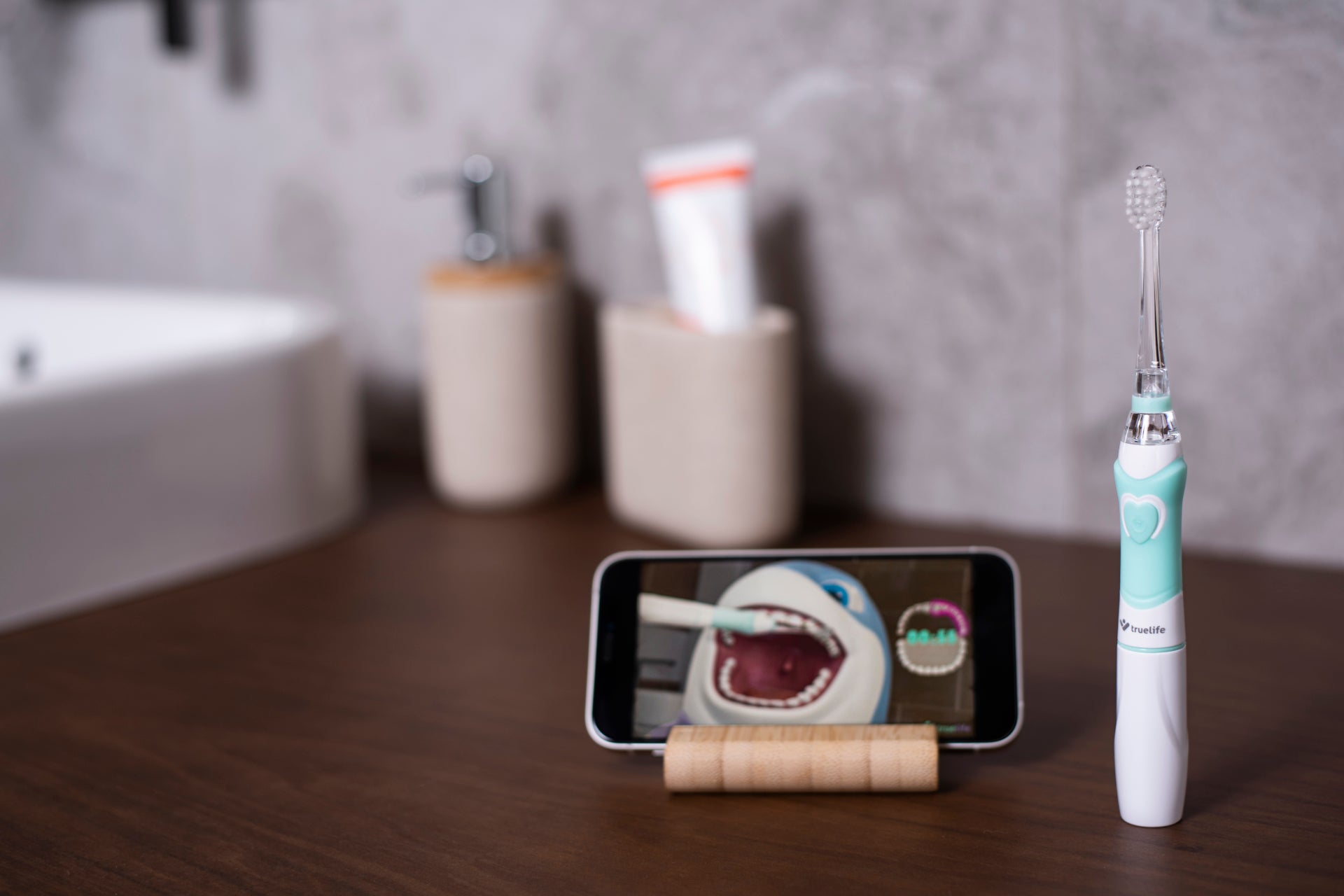
Dokáže povzbudiť dieťa, aby si čistilo zuby dlhšie. Časovač, ktorý signalizuje uplynutie dvoch minút a vyzýva dieťa, aby prešlo do inej časti úst, robí niečo, čo by inak museli sami dohliadať rodičia. Edukačné animácie, svietiace hlavice kefiek a nálepky nie sú zbytočné hračky. Preukázalo sa, že gamifikácia zlepšuje ochotu detí spolupracovať a predlžuje čas čistenia.
Nedokáže naučiť dieťa správnu techniku, vyčistiť miesta, kam dieťa kefku nepriloží, ani nahradiť rodičovský dohľad.
TrueLife delí svoj sortiment detských zubných kefiek podľa veku, pretože trojročné a dvanásťročné dieťa potrebujú odlišný typ kefky. SonicBrush Baby G je určená pre deti vo veku 3 až 6 rokov a má svietiacu hlavicu, edukačnú animáciu a tridsať zvieracích nálepiek, ktorými si ju deti môžu prispôsobiť. SonicBrush Kid G je vhodná pre deti vo veku 5 až 9 rokov. Pre staršie deti a školákov je tu nabíjateľná SonicBrush Junior J100, ktorá ponúka tri režimy podľa toho, ako dobre už dieťa zvládlo techniku čistenia.
Cieľom nie je dokonalé samostatné čistenie. Cieľom je, aby dieťa čistilo zuby dostatočne dlho a prestalo sa s vami o to hádať. Zvyšné miesta môžete dočistiť neskôr.

Mýtus o samostatnom čistení zubov
Jedným z najčastejších omylov v ústnej hygiene detí je veta: „Moje dieťa si už čistí zuby samo.“
Nie je to tak. Presnejšie povedané, čistí si ich, ale nie dôkladne. A nie je to jeho chyba.
Dôkladné čistenie si vyžaduje jemnú motoriku, ktorú deti v škôlke a v prvých rokoch základnej školy ešte úplne nemajú rozvinutú. Drobné, presné pohyby potrebné pozdĺž línie ďasien a v zadnej časti úst sa učia až neskôr.
Ako dlho by teda rodičia mali pokračovať v čistení detských zubov? Odporúčania sa líšia. Niektoré zdroje hovoria o veku siedmich rokov, iné odporúčajú robiť to počas prvých rokov základnej školy, ďalšie navrhujú pokračovať až do dvanástich rokov. Rozdiel závisí od toho, čo presne sa posudzuje:
- Deti môžu začať čistiť zuby samostatne od troch alebo štyroch rokov. Nechajte ich to skúsiť.
- Rodičia by mali ešte mnoho rokov dočisťovať miesta, ktoré dieťa vynechalo, najmä zadné stoličky, vnútorné plochy a miesta, kde sa zuby stretávajú s ďasnami.
- Rodičia by mali naďalej kontrolovať aj potom, čo už nemusia dieťaťu čistiť zuby sami.
Praktickým vodidlom, ktoré používa aj český Národný portál zdravotníckych informácií, je čistiť dieťaťu zuby dovtedy, kým nedokáže plynulo písať. Keď ruka zvládne písanie, zvyčajne dokáže dostatočne presne ovládať aj zubnú kefku.
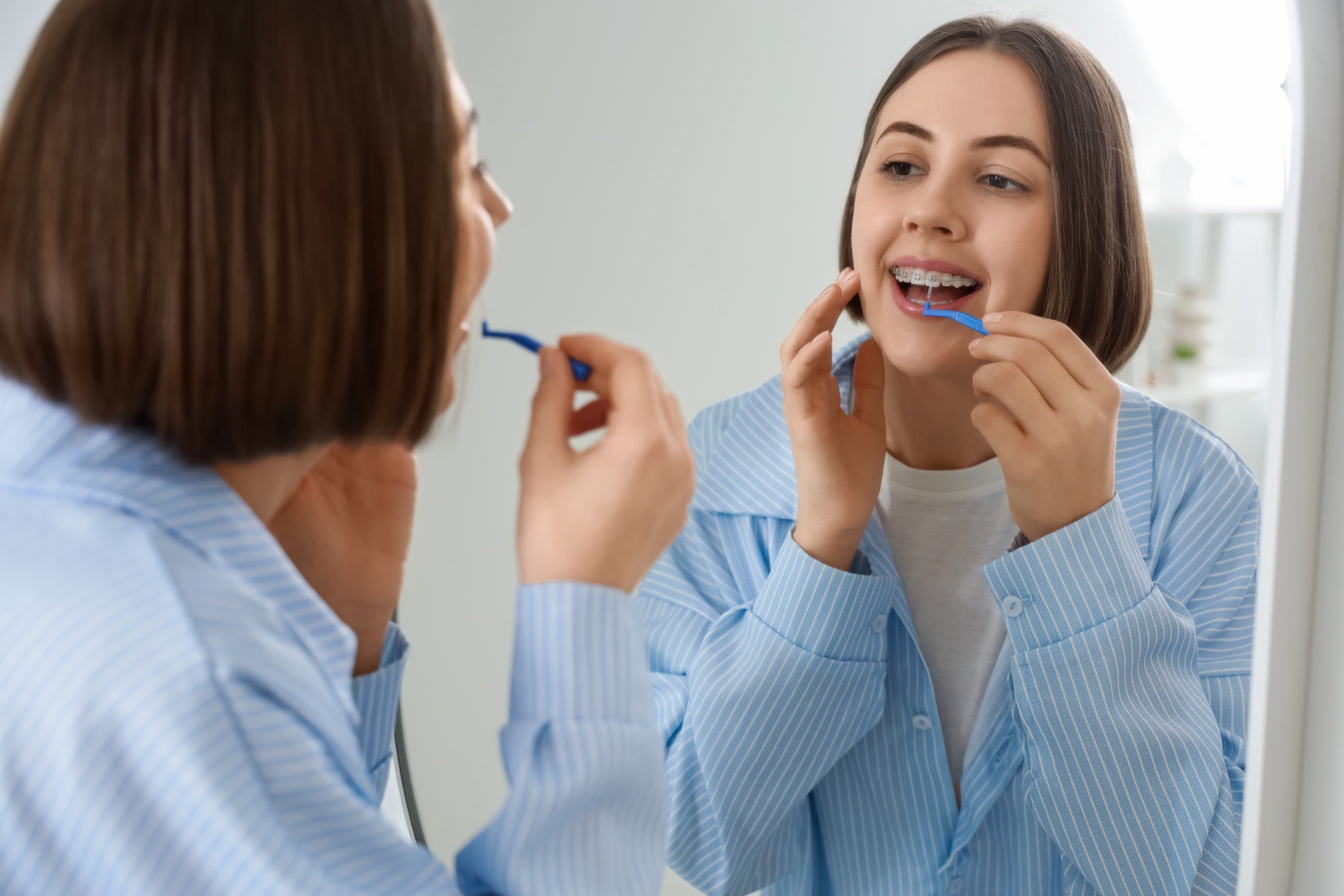
Medzizubné čistenie sa naopak neriadi vekom. Závisí od toho, či sa dva zuby dotýkajú. Väčšina malých detí má medzi zubami medzery a niť nepotrebuje. Keď sa zuby začnú dotýkať, zvyčajne po prerezaní stoličiek, je potrebné čistiť aj priestory medzi nimi. Pre deti sú vhodné zubné nitky s plastovou rúčkou. Túto úlohu by mal vykonávať rodič.

Kedy má dieťa prvýkrát navštíviť zubára?
Do prvých narodenín, ideálne približne šesť mesiacov po objavení sa prvého zúbka.
Nie je to preto, že by sa u dieťaťa očakával zubný kaz. Cieľom je, aby si zvyklo na zubnú ambulanciu, kreslo a zubára ešte predtým, než tam bude musieť ísť kvôli bolesti. Prvá návšteva býva zvyčajne krátka, často prebieha, keď dieťa sedí na lone rodiča, a ide predovšetkým o oboznámenie sa s prostredím. Je to zároveň príležitosť, aby niekto skontroloval, či doma čistíte zuby správne.
Potom by deti mali navštevovať zubára dvakrát ročne.
Fľašový kaz: skrytý problém
Existuje ešte jedna vec, o ktorej sa oplatí vedieť.
Fľašový kaz postihuje horné predné zuby batoliat a môže napredovať agresívne. Vzniká, keď sú zuby opakovane a nepretržite vystavené tekutinám s obsahom cukru, typicky keď dieťa zaspáva s fľašou sladeného čaju alebo šťavy.
V noci klesá tvorba slín, čím majú kyseliny väčšiu príležitosť poškodiť zuby. Sklovina dočasných zubov je navyše tenšia než sklovina trvalých zubov, takže kaz postupuje rýchlo.
Prevencia môže znieť nudne, ale funguje. Do fľaše dávajte iba nesladenú vodu alebo čaj. Okolo prvého roku začnite prechádzať na pohárik. Po poslednom večernom čistení ponúkajte už iba vodu.
Ešte niečo o mliečnych zuboch
Áno, mliečne zuby raz vypadnú, no dovtedy majú dôležitú úlohu. Deti nimi jedia a učia sa nimi rozprávať, a čo je najdôležitejšie, udržiavajú priestor pre trvalé zuby, ktoré sa pod nimi vyvíjajú.
Ak sa mliečny zub stratí príliš skoro v dôsledku kazu, susedné zuby sa môžu nakloniť do prázdneho priestoru. Trvalý zub potom nemá kam vyrásť. Výsledkom môže byť potreba ortodontickej liečby.
Mliečne zuby majú tiež tenšiu a menej mineralizovanú sklovinu. Kaz môže dosiahnuť nerv oveľa rýchlejšie, než by ste čakali.
Takže áno, kaz na mliečnych zuboch treba liečiť. A ešte dôležitejšie je predchádzať mu.
Často kladené otázky
Kedy mám začať čistiť zuby svojmu bábätku?
Čistenie by malo začať hneď, ako sa objaví prvý zúbok, zvyčajne medzi piatym a desiatym mesiacom. Pred objavením sa prvého zúbka nie je denné čistenie ďasien nevyhnutné, no je užitočné zvykať bábätko na dotyk v ústach. Po objavení sa prvého zúbka čistite zuby dvakrát denne mäkkou detskou zubnou kefkou.
Mala by detská zubná pasta obsahovať fluorid?
Súčasné odborné odporúčania radia používať fluoridovú zubnú pastu od prvého zúbka, s koncentráciou 1 000 ppm. Kľúčové je množstvo: do dvoch rokov používajte iba množstvo veľkosti zrnka ryže a medzi druhým a šiestym rokom množstvo veľkosti hrášku. Môžete sa stretnúť aj so staršími českými odporúčaniami, ktoré radia nižšie koncentrácie. Ak nechcete používať fluorid, alternatívou je zubná pasta s hydroxyapatitom.
Do akého veku by mali rodičia čistiť dieťaťu zuby?
Rodičia by mali pokračovať v čistení zubov dieťaťa aspoň dovtedy, kým nedokáže plynulo písať, čo zvyčajne znamená počas prvých rokov základnej školy. Deti môžu začať čistiť zuby samostatne od troch rokov, no rodič by mal stále dokončovať čistenie zadných stoličiek, vnútorných plôch a línie ďasien. Dôvodom je nedostatočne rozvinutá jemná motorika, nie nedostatok snahy.
Od akého veku je sonická zubná kefka vhodná pre deti?
Sonická zubná kefka je vhodná pre deti od troch rokov, vždy pod dohľadom rodiča. Odborníci ju mladším deťom neodporúčajú, pretože vibrácie v ústach môžu batoľatá vystrašiť. Sonická zubná kefka pomáha najmä s časom čistenia a motiváciou. Nenahrádza správnu techniku ani potrebu, aby rodič čistenie dokončil.
Záleží na kaze na mliečnom zube, keď aj tak vypadne?
Áno, záleží. Mliečne zuby udržiavajú priestor pre trvalé zuby. Ak sa stratia príliš skoro, susedné zuby sa môžu nakloniť do medzery a trvalému zubu nezostane dostatok priestoru na rast. Sklovina mliečnych zubov je navyše tenšia, takže kaz môže rýchlejšie dosiahnuť nerv. Neliečený kaz môže dokonca poškodiť trvalý zub, ktorý sa pod ním vyvíja.