

Summer is over, your tan is gradually fading, and long trousers are slowly making their way back into your wardrobe. That’s exactly why now is a good time to start with IPL hair removal. Not because autumn has any magical effect, but because it offers the kind of conditions that suit regular IPL treatments best.
Why start IPL after summer
IPL works with the pigment in the hair. A flash of light targets it and acts on the hair while it is in its active growth phase. That means IPL is affected not only by hair colour, but also by the condition and tone of your skin. And this is exactly where autumn works in your favour.
After summer, your tan gradually fades and you also spend less time in direct sunlight. This makes the skin better suited to regular treatment and also makes it easier to protect treated areas from the sun.
Another advantage? There’s no rush. IPL is not a one-off solution before a holiday. It works as a series of treatments and the results appear gradually. If you start in autumn, you have several months ahead of you to build a regular routine.
Wait until your tan has faded
If you’ve come back from holiday with a noticeable tan, it’s better to wait a little before starting IPL.
IPL light reacts with melanin. Freshly tanned skin contains more pigment, which means treatment may not be suitable at that point. The same applies to skin treated with self-tanning products.
There’s no need to start on the first day of September. It’s more important to wait until your tan has faded and to always follow the instructions for your specific device.
Results take time – and that’s exactly what you have now
One of the most common misconceptions about IPL is expecting everything to be done after the first treatment. Hair doesn’t all grow at the same time, and IPL mainly works on hairs that are currently in the active growth phase. That’s why treatments need to be repeated regularly.
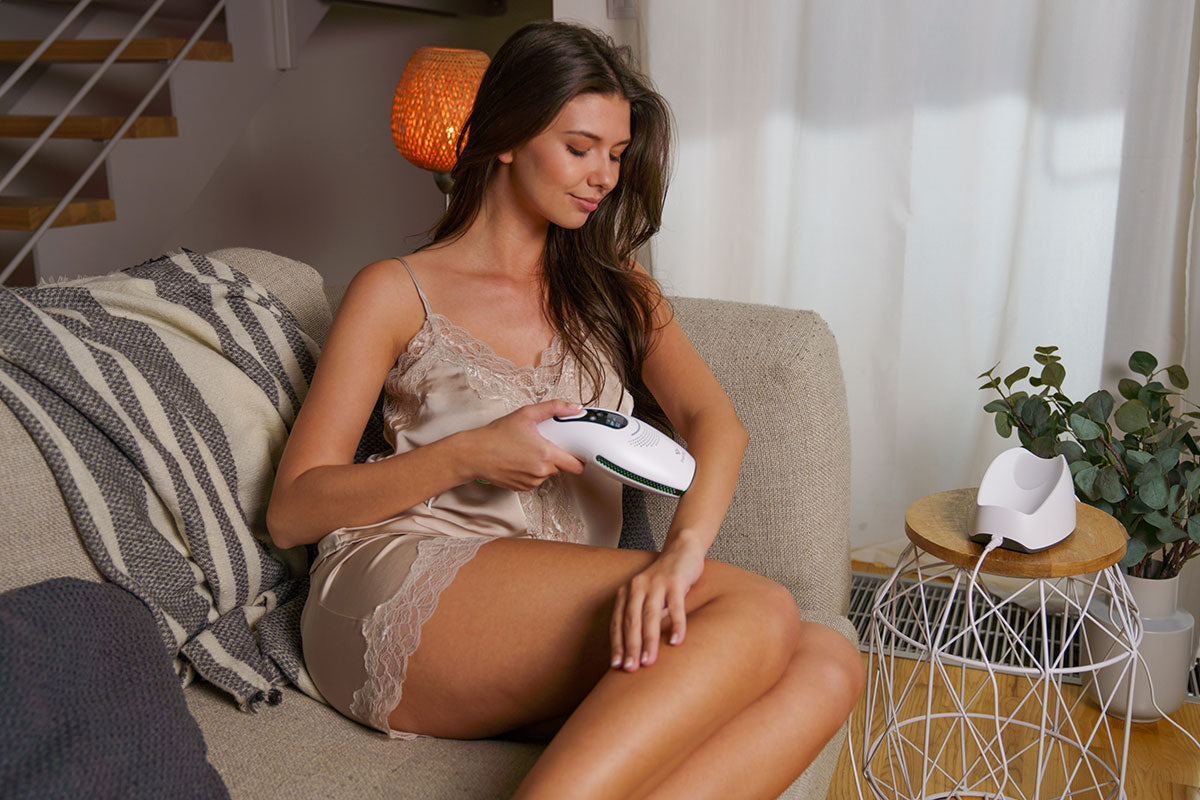
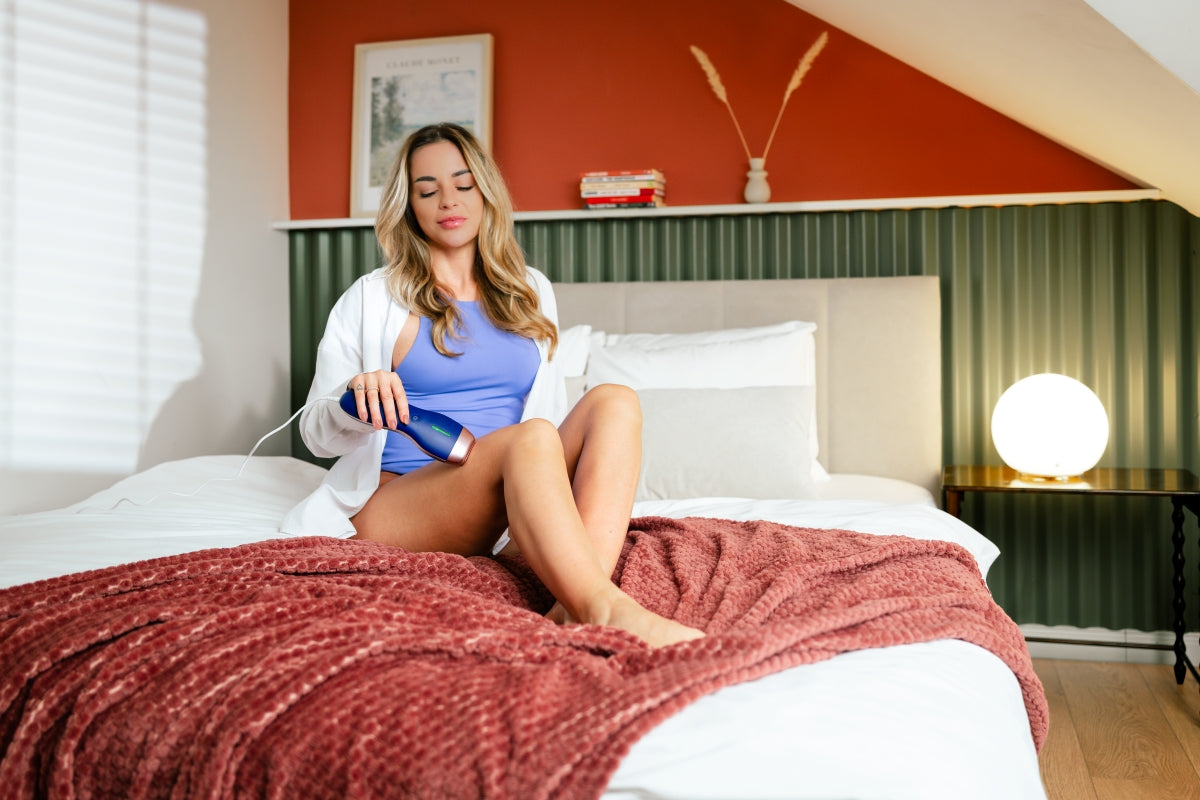
With the TrueLife BELLE IPL EB3 home IPL device, the manufacturer recommends using it once a week during the initial phase. The first changes can usually be seen after around four weeks of regular use. After completing the 12-week treatment plan, the reduction in hair growth should be more noticeable.

How to make your IPL routine easier at home
Before treatment, shave the area, keep the skin clean and dry, and avoid applying creams, oils or other products immediately beforehand. Do not remove hairs with wax or an epilator between sessions. IPL targets melanin in the hair follicle, so the hair needs to remain in place below the surface of the skin.
The TrueLife BELLE IPL EB3 is designed specifically for regular at-home use. It offers five intensity levels, so you can adjust the settings to suit your skin. Manual mode is useful for smaller and more sensitive areas, such as the face or bikini line, while automatic mode makes it easier to treat larger areas like the legs.
SensCool® technology helps monitor the temperature during treatment, while the safety sensor ensures that the device only flashes when it is correctly placed against the skin.
The easiest approach is to choose one day a week and make IPL part of your regular evening routine. The less you have to think about it, the easier it is to stay consistent.

Who is IPL suitable for
IPL works best when there is enough contrast between the skin and the hair – typically lighter skin with darker hair.
It may not work effectively on very light, white, grey or some red hair because there is not enough pigment for the light to target. There are also limitations for very dark skin tones, so it is always important to check whether your specific device is compatible.
IPL should also not be used over tattoos, prominent moles or irritated skin. If you are taking medication that increases sensitivity to light, have a skin condition, or are unsure whether IPL is suitable for you, it is best to consult a doctor or dermatologist before use and follow the instructions provided with your device.
Start when there’s no need to rush
IPL makes the most sense when you don’t expect overnight results. It takes several weeks of consistency, followed by occasional maintenance depending on how the hair grows back.
And that is exactly why autumn is such a convenient time to start. There’s no need to rush a few weeks before a holiday, and you have plenty of time to see how your skin responds, get used to regular treatments, and gradually track your results. If you start early, you won’t be starting from scratch in spring.