





Does it feel like everyone is sick right now? A runny nose without a fever, a lingering winter cough, fatigue that lasts for weeks. The transition from winter to spring is one of the most demanding periods of the year for the body and your immune system knows it.
It’s not just about flu season. Toward the end of the heating season, several factors come together that weaken our defenses more than we realize. The good news? Many of them are within our control.
Your Immune System Is Worn Out After Winter
Since autumn, the body has been operating in defense mode. Less sunlight means lower vitamin D levels. We spend more time indoors, breathing the same recycled air. The body runs at full capacity for months — and by the end of winter, fatigue starts to show.
It only takes less sleep, stress, or a sudden temperature change for illness to find an opening.
Dry Air: The Silent Problem
Heating season brings another subtle but important factor: low indoor humidity.
The ideal humidity level at home should be between 40–60%. In reality, many households drop well below 30% during winter.
What does that mean?
- dried-out mucous membranes
- more frequent runny noses without fever
- persistent, irritating cough
- dry skin
- poorer sleep
- more frequent headaches
Your mucous membranes act as a natural filter. When they’re dry and irritated, viruses can enter the body much more easily.
Many people focus on supplements but forget about the environment where they spend 80–90% of their time.
How Can You Tell If the Air in Your Home Is Too Dry?
Low humidity often shows up subtly. Common signs include:
- a scratchy throat in the morning
- waking up with a dry nose
- coughing that gets worse in the evening
- children having recurring colds without a fever
- feeling tired despite enough sleep
- static hair and clothes
- houseplants drying out quickly
If you’re unsure, a simple hygrometer can help you measure indoor humidity. Levels below 40% are very common during winter.
In that case, it makes sense to regulate humidity — depending on your situation, with a humidifier or a dehumidifier. The key is maintaining a stable indoor climate rather than reacting only to extremes.
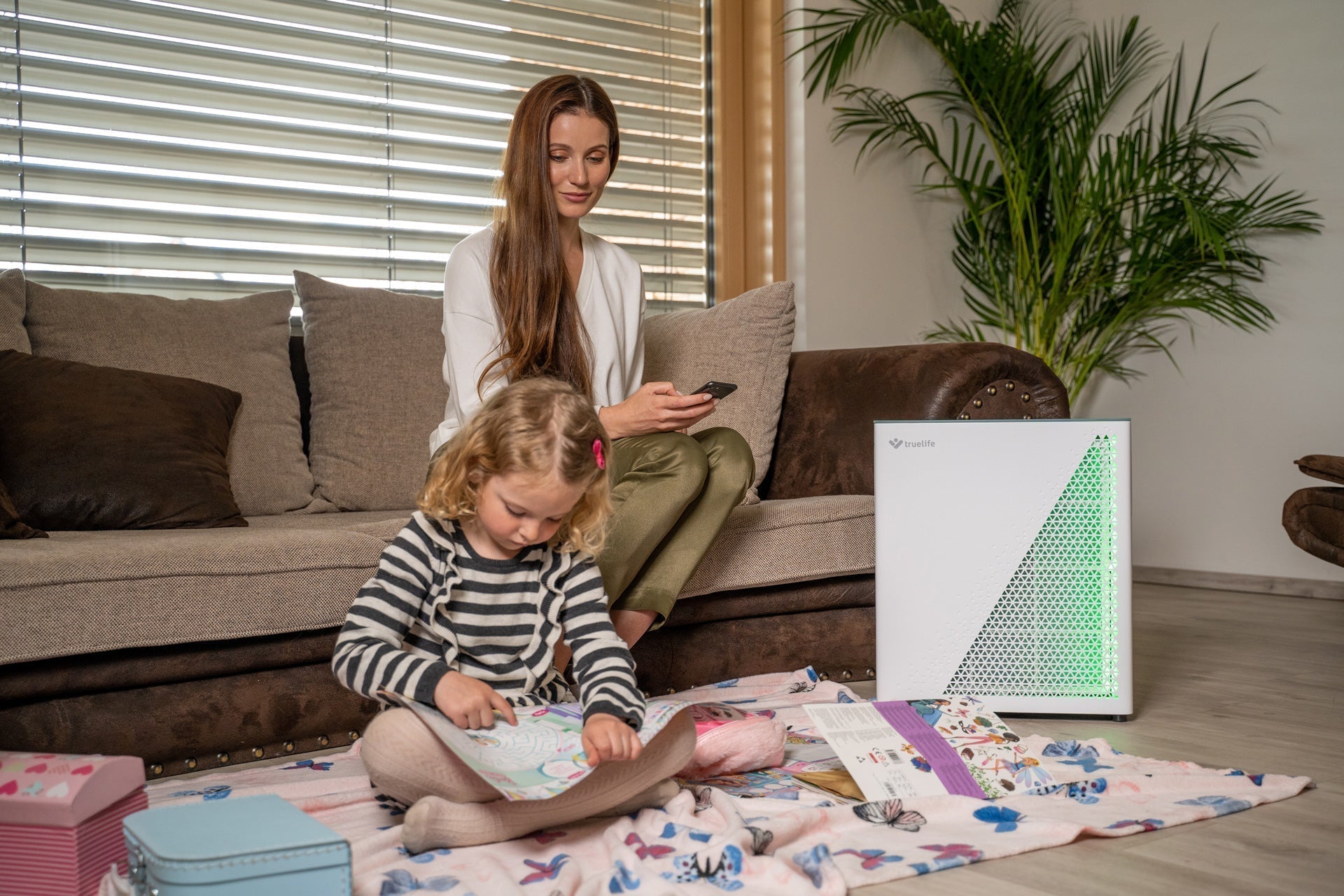
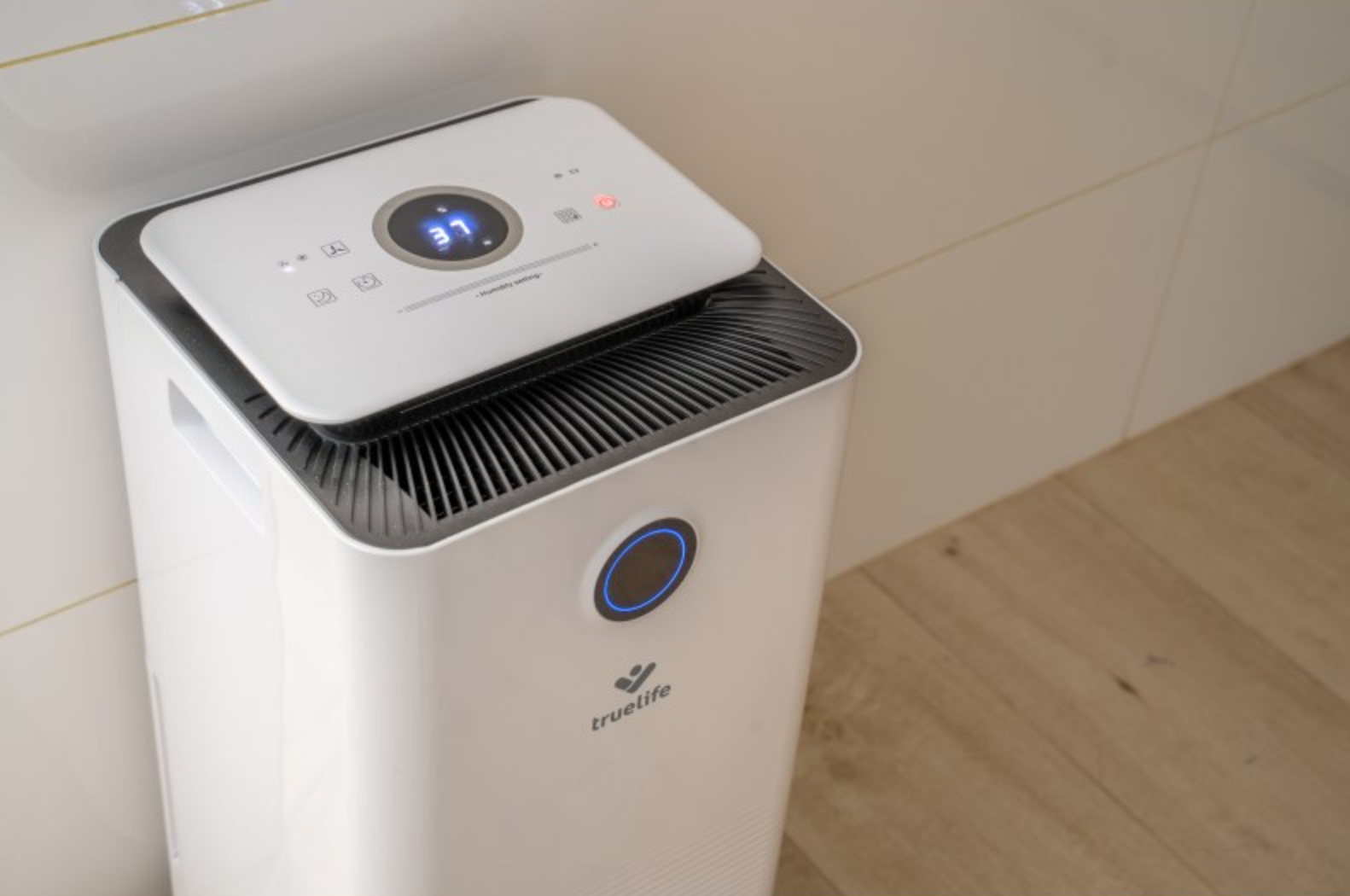
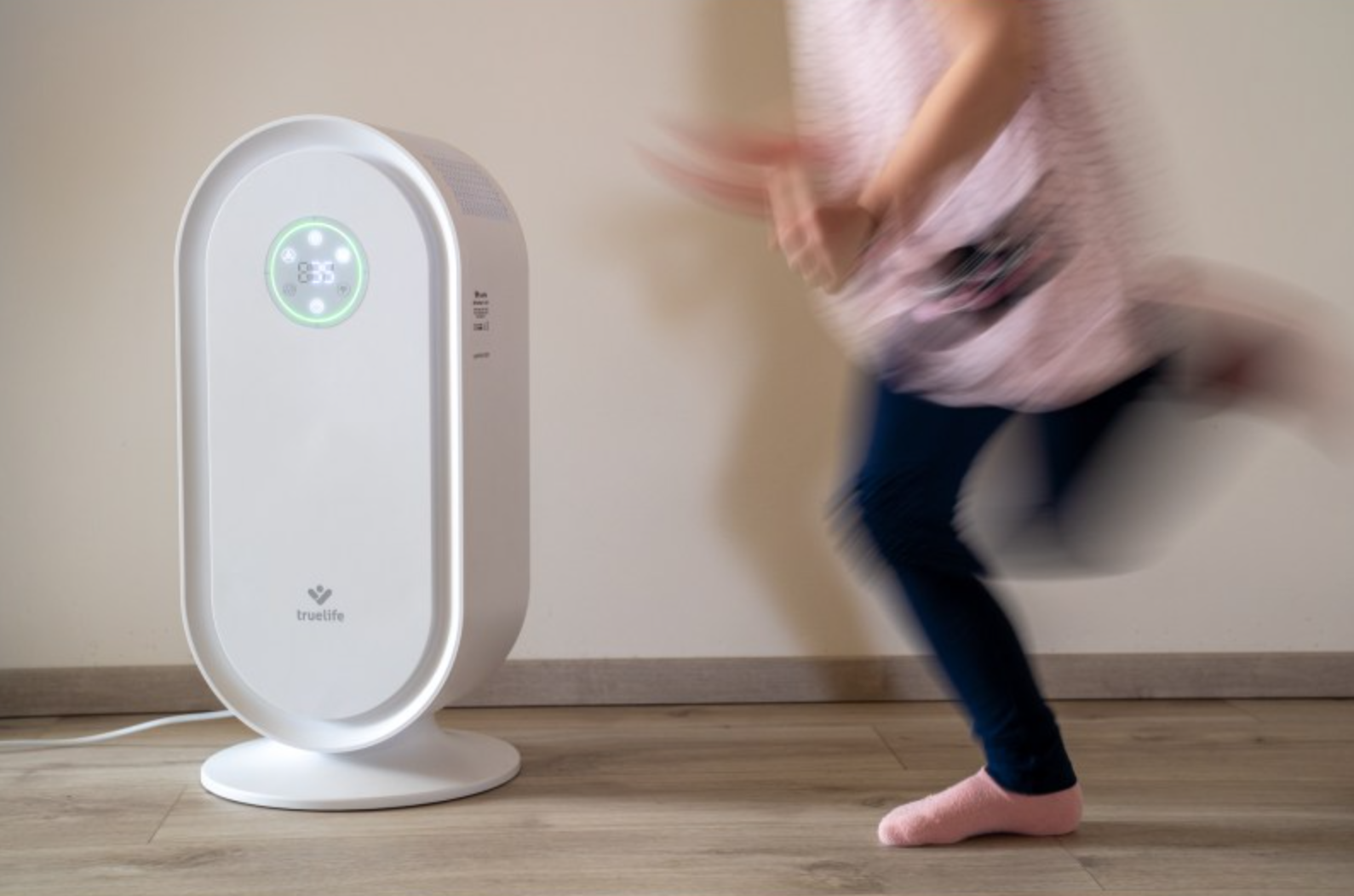
For example, the Truelife Air Dehumidifier DH5 Touch allows you to monitor current humidity levels and automatically maintain them at your desired setting. This way, you don’t have to manually check values, and your home environment stays stable even during weather fluctuations.
It’s not just a comfort feature. It’s part of prevention.

Temperature Fluctuations and Physical Fatigue
Late winter often brings frequent temperature swings. Frost in the morning, almost spring-like in the afternoon. The body constantly has to regulate its temperature, which consumes energy.
It’s no surprise we feel exhausted — and that the immune system reacts more slowly.
How to Support Your Body During This Period
It doesn’t have to mean radical changes. Often, small adjustments make a big difference:
✔️ Monitor and maintain ideal indoor humidity
✔️ Ventilate regularly, even during winter
✔️ Prioritize more sleep than you think you need
✔️ Spend at least a short time outside every day
✔️ Respond to early symptoms instead of waiting for a full-blown illness
The Transition to Spring Doesn’t Have to Mean Another Cold
The end of winter is demanding, but it doesn’t have to mean spending weeks sick. When you support your immune system and adjust your home environment, especially indoor humidity during heating season, your body can recover much faster.
Sometimes it’s not about another vitamin. Sometimes it starts with the air you breathe every day.