





We all know it. When we sleep well, we wake up in a good mood and full of energy. When sleep is missing, we turn into something like zombies. Sleep affects our mood, focus, energy, and how we handle everyday life.
Even though sleep plays such a key role, many people only start dealing with it when they begin waking up at night or feel even more tired in the morning than they did before going to bed. Yet sleep quality is often influenced by very simple things such as the bedroom environment, air humidity, or small evening habits.
Why Quality Sleep Is So Important
Did you think everything in the body shuts down during sleep? Not quite. The brain processes information, while the body regenerates muscles, stabilizes hormones, and strengthens the immune system.
But when quality sleep is missing for a long time, it quickly shows. Most commonly as:
- daytime fatigue
- poor concentration
- irritability or mood swings
- weakened immunity
That’s why it’s not just about how many hours we sleep, but also about how good that sleep actually is.

The Bedroom Environment Matters More Than We Think
We invest in quality mattresses and pillows, yet we often forget one essential thing: the air in the room.
It may sound like a minor detail, but it has a surprisingly big impact on how well we sleep.
And it really does. Too dry air can irritate the airways and cause night waking. On the other hand, overly humid air supports mold growth and worsens the overall bedroom environment.
Ideally, indoor humidity should stay between 40–60%.
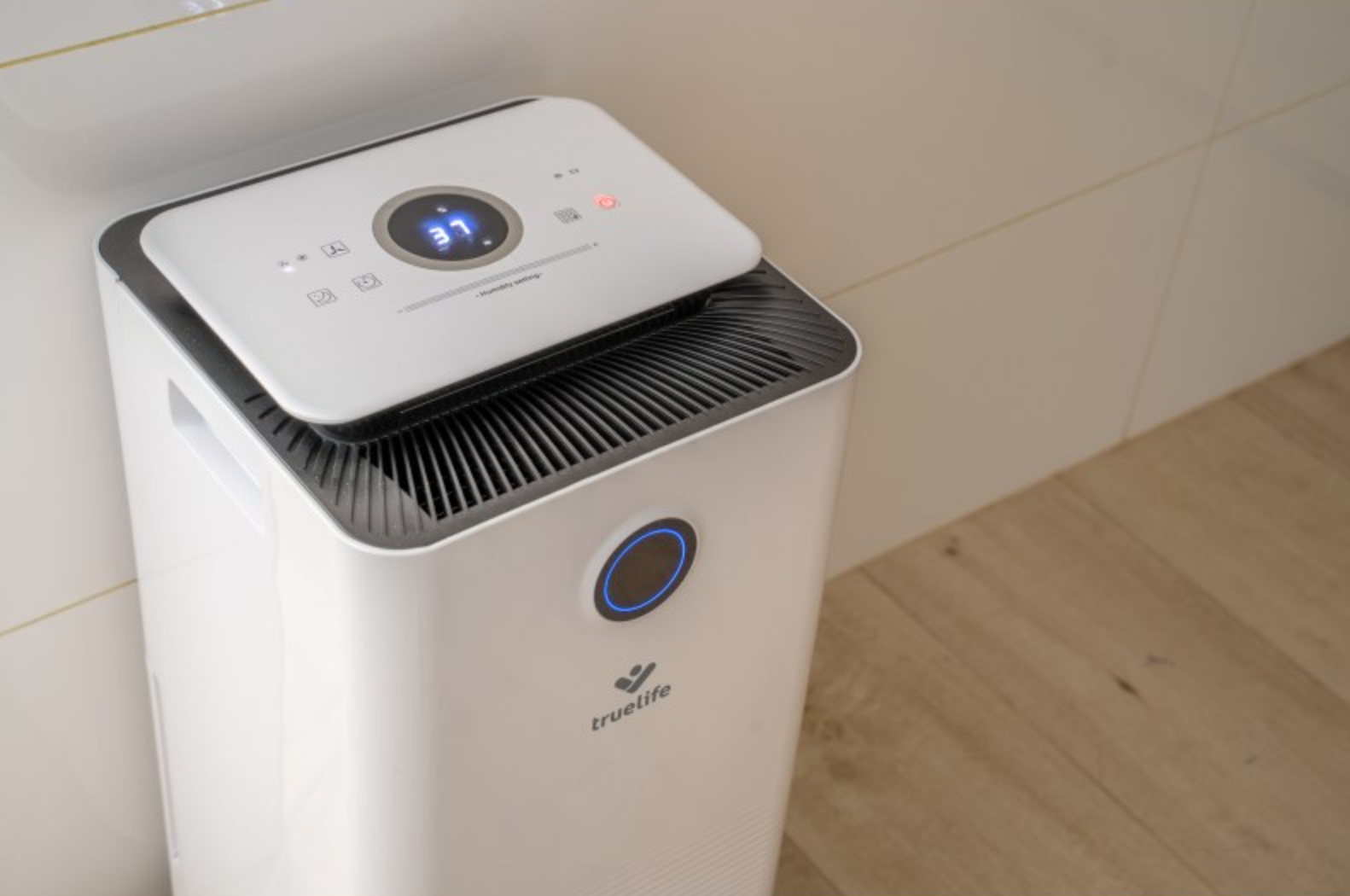
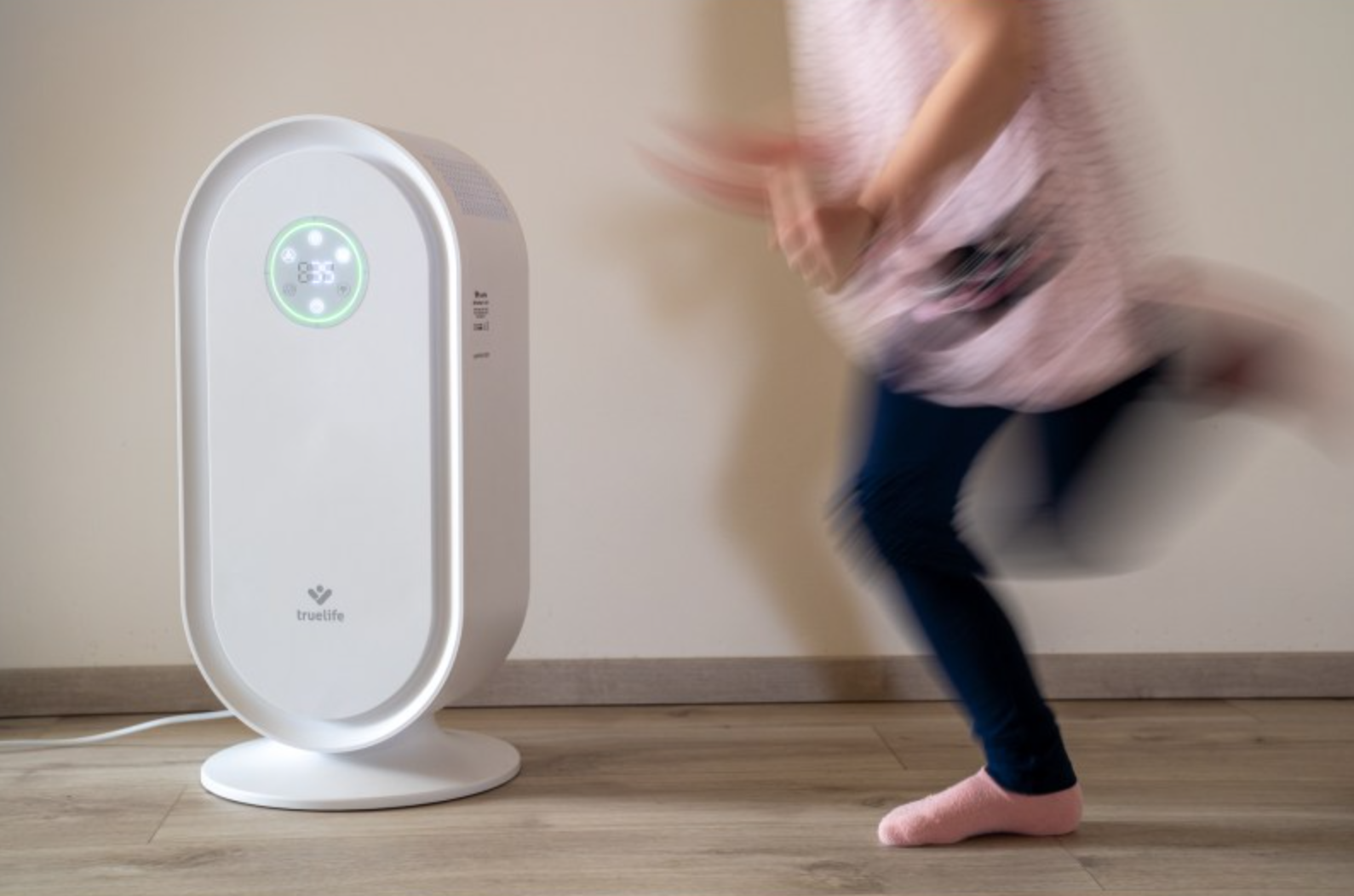
If humidity is too high, a dehumidifier can help, such as the Truelife AIR Dehumidifier DH3 Black. It removes excess moisture from the room and helps create an environment where sleep feels much more comfortable.

Evening Routines Help the Body Switch Off
You’ve probably noticed many times that humans like routines. The same applies to the body. When we repeat similar activities at the same time every evening, the brain gradually understands that sleep is coming.
Good evening habits for better sleep can look like this:
- dim lighting in the home
- limiting phone and laptop use at least one hour before bed
- light stretching or a shower
- reading or calm music
It also helps to use scents that the body associates with relaxation and calm.
Aromatherapy as a Sleep Aid
Falling asleep like Sleeping Beauty. A lovely idea 😊 Some scents naturally have a calming effect, but they don’t directly make you fall asleep. The most common ones include lavender, chamomile, or sandalwood.
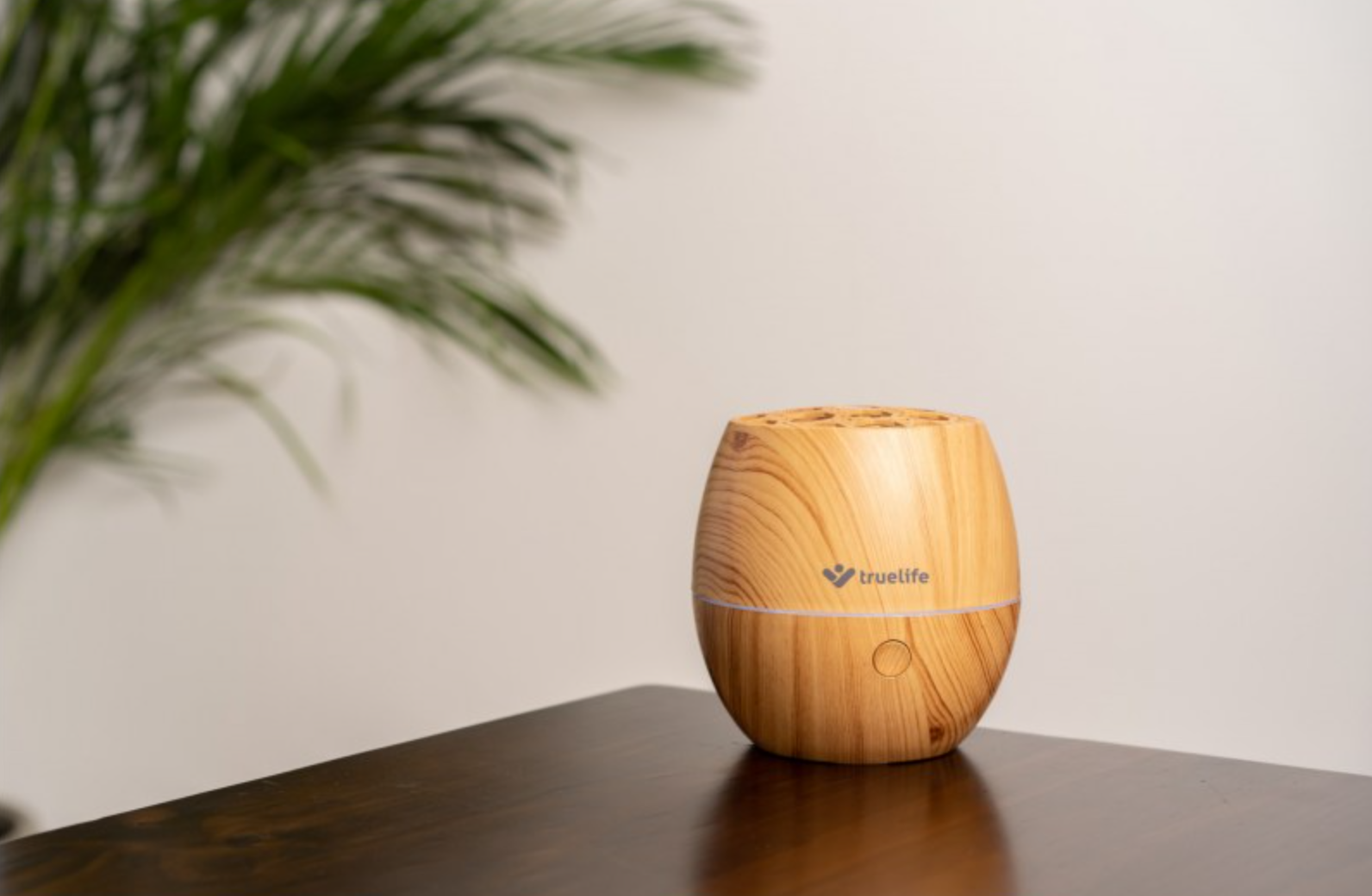
You can easily try aromatherapy at home with a diffuser. The Truelife AIR Diffuser D4 not only humidifies the air but also helps create a pleasant atmosphere in the bedroom. Just a few drops of essential oil are enough, and your space quickly becomes more relaxing and comfortable.

5 Simple Tips for Better Sleep
We all know it. Small changes, big difference. So why not try them?
1. Go to bed at the same time every day
Your body builds a rhythm, and falling asleep becomes more natural.
2. Keep your bedroom slightly cooler
The ideal temperature is around 18–20°C.
3. Reduce blue light in the evening
Phones, tablets, and TVs can delay falling asleep.
4. Pay attention to air quality
Proper humidity and fresh air have a bigger impact on sleep than most people realize.
5. Create your own evening ritual
Whether it’s reading, aromatherapy, or a short meditation.
Quality Sleep Starts With the Environment We Sleep In
Sometimes we look for problems where there aren’t any and choose complicated solutions. A good example is sleep tracking apps, expensive supplements, or strict diets. No, it’s actually much simpler than that. We just need to look at the environment where we fall asleep every night.
So let’s sum it up. Sleep quality is mainly influenced by three things: proper air humidity, a calm atmosphere, and small evening habits. These small changes often decide whether we wake up feeling fresh or want to stay in bed a little longer.